Rabat is composed, coastal, and refreshingly understated. It is Morocco with polish: wide boulevards, sea air, curated culture, and a sense of calm that feels instantly grounding. If Marrakech is theatre and Fes is poetry, Rabat is quiet confidence — the ideal pause between destinations.
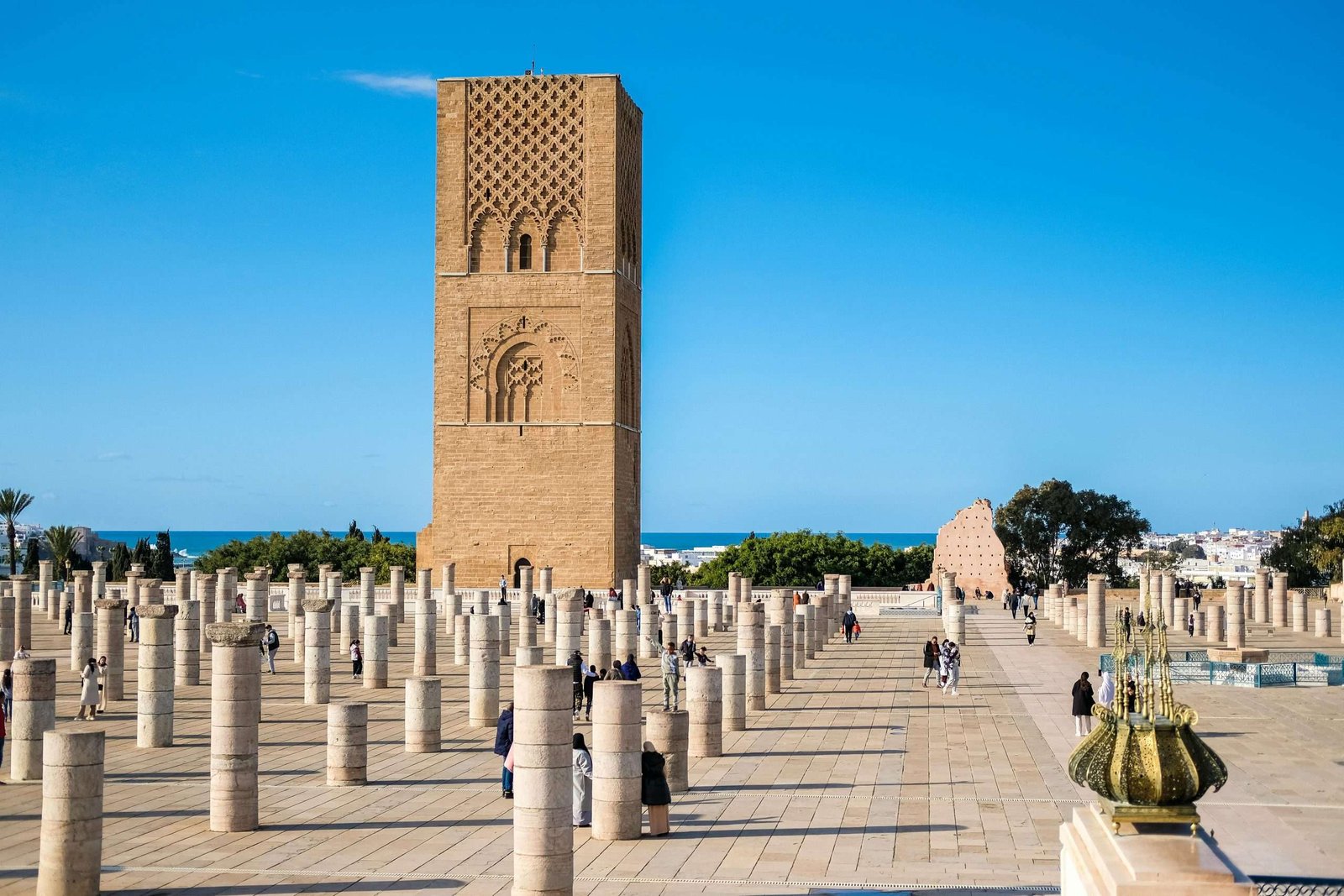
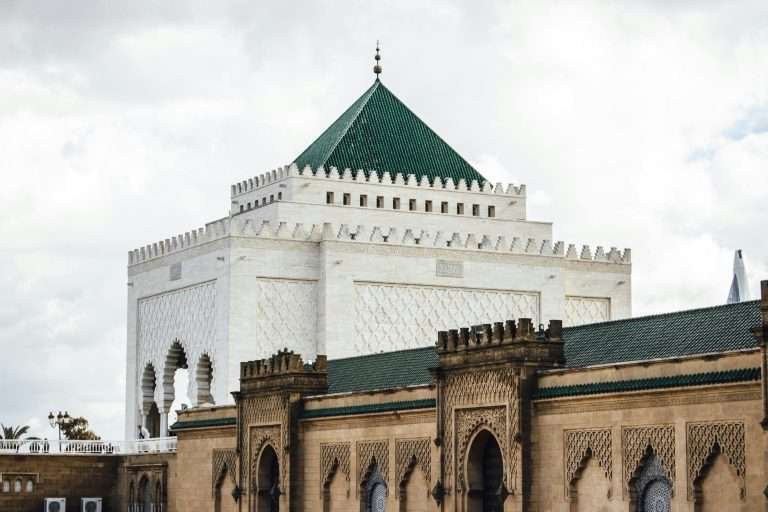
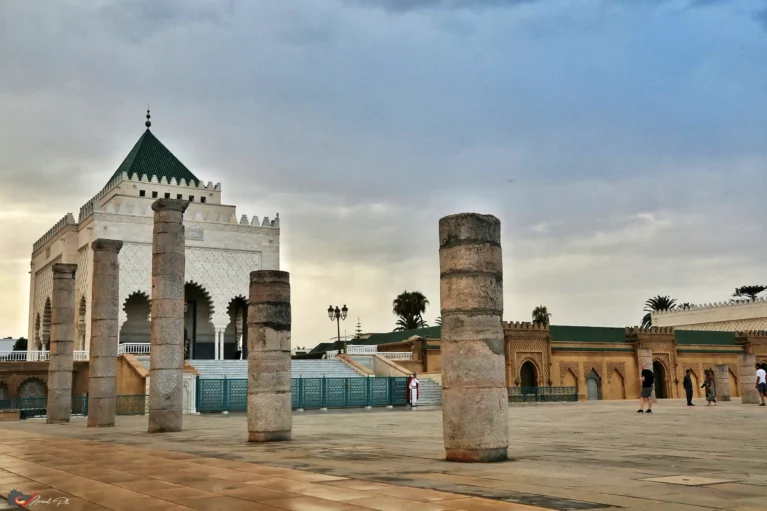
As Morocco’s capital city, Rabat blends UNESCO-listed heritage, Atlantic coastline, contemporary culture, and relaxed sophistication in a way few North African capitals can match. Home to landmarks such as the Hassan Tower, Kasbah of the Udayas, and Mohammed V Mausoleum, Rabat offers one of Morocco’s most rewarding combinations of history, architecture, and coastal atmosphere.
With Saharaï, Rabat is best experienced at a refined pace: heritage highlights, relaxed wandering, sea views, and beautiful pauses that let the capital feel polished rather than over-programmed. It is a city that rewards elegance, restraint, and the luxury of breathing room. Based on your page template, this makes Rabat especially strong as a calm cultural chapter between Casablanca and the north.
Pairs beautifully with: Casablanca for modern Morocco and architectural contrast, Tangier for Atlantic-to-Mediterranean coastal discovery, Chefchaouen for mountain charm and slower-paced exploration, and Fes for Morocco’s richest history and craftsmanship.
Best for
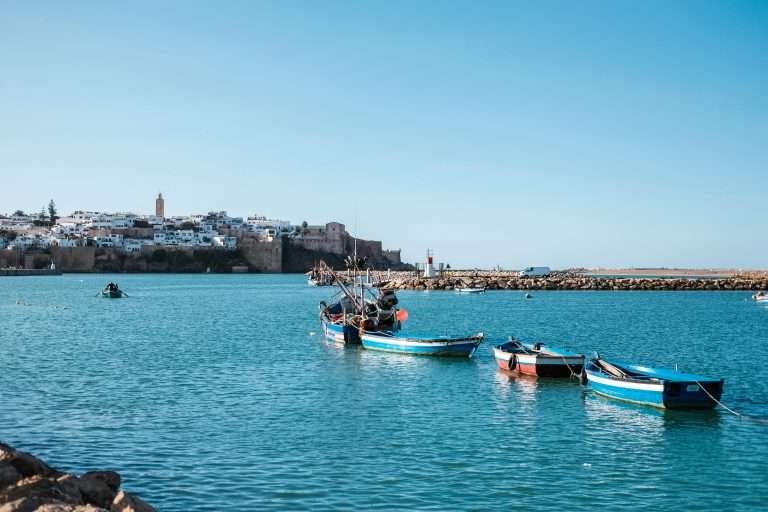
Coastal city energy with culture and space
Travelers who prefer elegance over intensity
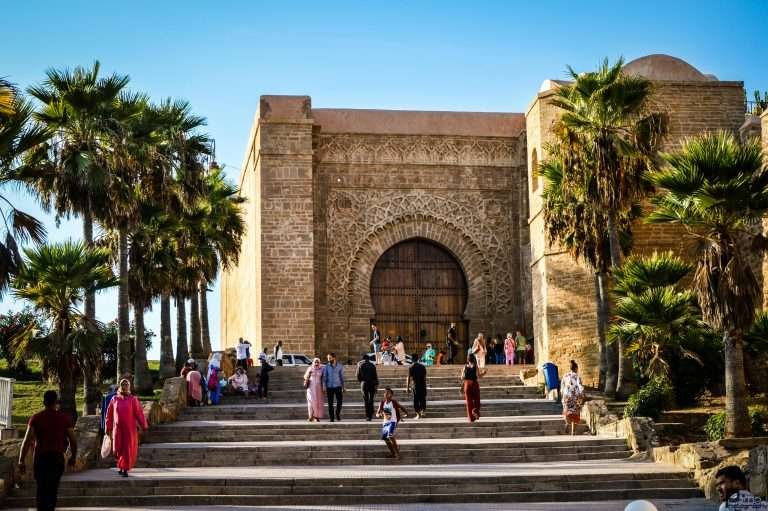
A refined stop on a north-to-south route
Signature Saharaï moments
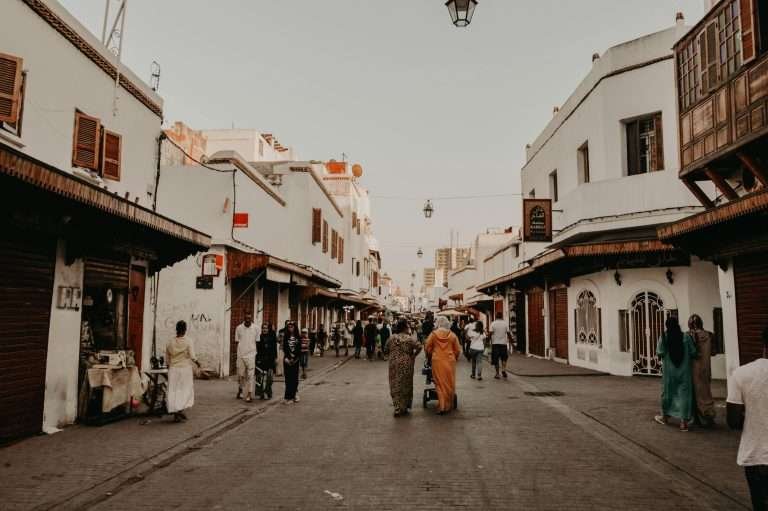
Heritage highlights with a private guide and curated pace
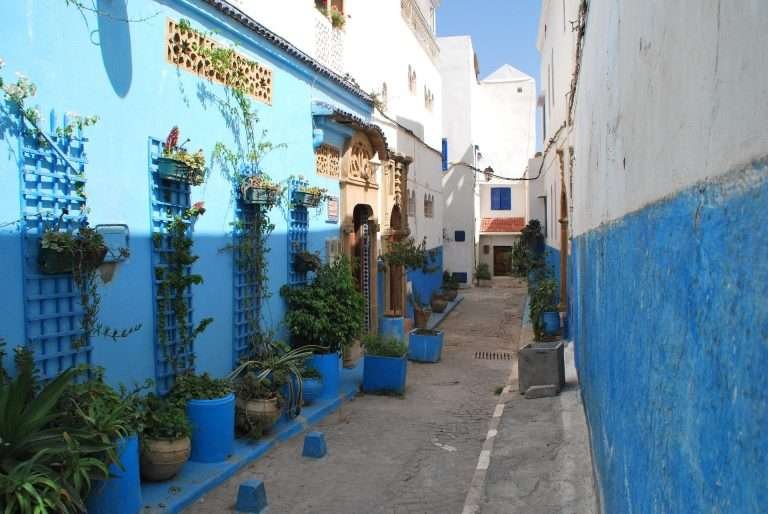
Golden-hour stroll through the Kasbah of the Udayas
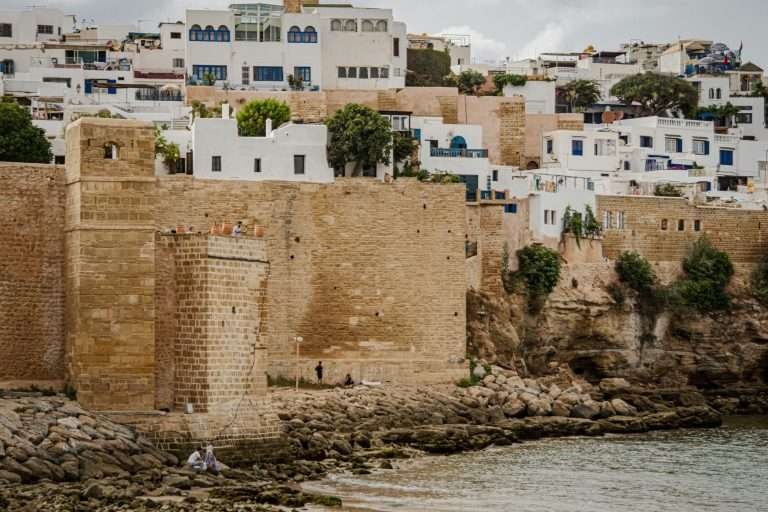
Seaside dinner with a relaxed, chic atmosphere
The Saharaï Lens— Why choose Rabat?
Rabat is about breathing room. It offers a quieter, more polished side of Morocco: sea air, heritage, wide boulevards, and a pace that feels composed from the moment you arrive. With Saharaï, we keep Rabat light but intentional — strong cultural anchors, elegant pauses, and enough space for cafés, coastal wandering, and unhurried atmosphere. The city works best when it is not over-programmed. Its luxury is not intensity, but balance: heritage without overwhelm, beauty without effort, and a calm sophistication that makes it one of Morocco’s most refined urban chapters.
For travelers seeking culture without chaos, Rabat is often one of Morocco’s most underrated destinations.
How to weave it into your journey
One to two nights works perfectly in Rabat. It is especially strong between Casablanca and the north, where it acts as a calmer, more elegant bridge before Tangier or Chefchaouen, or as a polished coastal chapter before heading inland to Fes. Rabat is also a very good choice for travelers who want culture without another high-intensity medina day. In route terms, it helps smooth the journey: enough heritage to feel meaningful, enough sea air and space to feel restorative, and enough refinement to elevate the overall pacing of the trip.
It works particularly well on luxury itineraries linking Casablanca, Rabat, Tangier, Chefchaouen, and Fes through northern Morocco.
See where Saharaï can take you
Imperial Grandeur: 8-Day Luxury Tour of Morocco’s Imperial Cities
Golden Horizon: 14-Day Luxury Morocco Grand Tour from Casablanca to Essaouira
Let our experts help you craft your perfect Moroccan journey.
Call us for tailored advice and travel inspiration.
Call us*
*If we miss your call, we're probably on a tour — we'll get back to you as soon as we can.
The best time to visit
Spring + Early Summer
For coastal softness
Autumn
For warm evenings and lighter crowds
Winter
For clear skies and brisk seaside walks
Frequently Asked Questions
Is Rabat worth adding to an itinerary?
Yes — Rabat is absolutely worth adding if you want a calmer, more refined side of Morocco. It offers strong heritage highlights, coastal atmosphere, and a polished rhythm that contrasts beautifully with the intensity of Marrakech or Fes, making it an excellent balancing chapter within a broader route.
How long should I stay in Rabat?
One night is a strong stop if you are moving through the country, but two nights gives Rabat the space it deserves. That allows time for heritage highlights, a Kasbah stroll, a relaxed seaside meal, and the kind of unhurried pacing that suits the capital particularly well.
Rabat or Casablanca — which is better?
They do different jobs. Casablanca works best as an arrival or departure hinge, with a modern-city feel and the Hassan II Mosque as its major anchor. Rabat is calmer, greener, and more naturally suited to a slower cultural stay, with coastal ease, heritage, and a more understated kind of elegance.
Is Rabat a UNESCO World Heritage Site?
Yes. Rabat was designated a UNESCO World Heritage Site in 2012 for its unique blend of historic monuments, Islamic heritage, French colonial planning, and modern urban design.
What are the top attractions in Rabat?
The most popular attractions in Rabat include the Hassan Tower, the Mausoleum of Mohammed V, the Kasbah of the Udayas, the Andalusian Gardens, Chellah, and the city’s Atlantic waterfront.
Ready to plan your Morocco adventure?
Not sure where to start? Our travel specialists know Morocco inside out and can tailor an itinerary around your interests, pace, and budget. Reach out — we’d love to help.