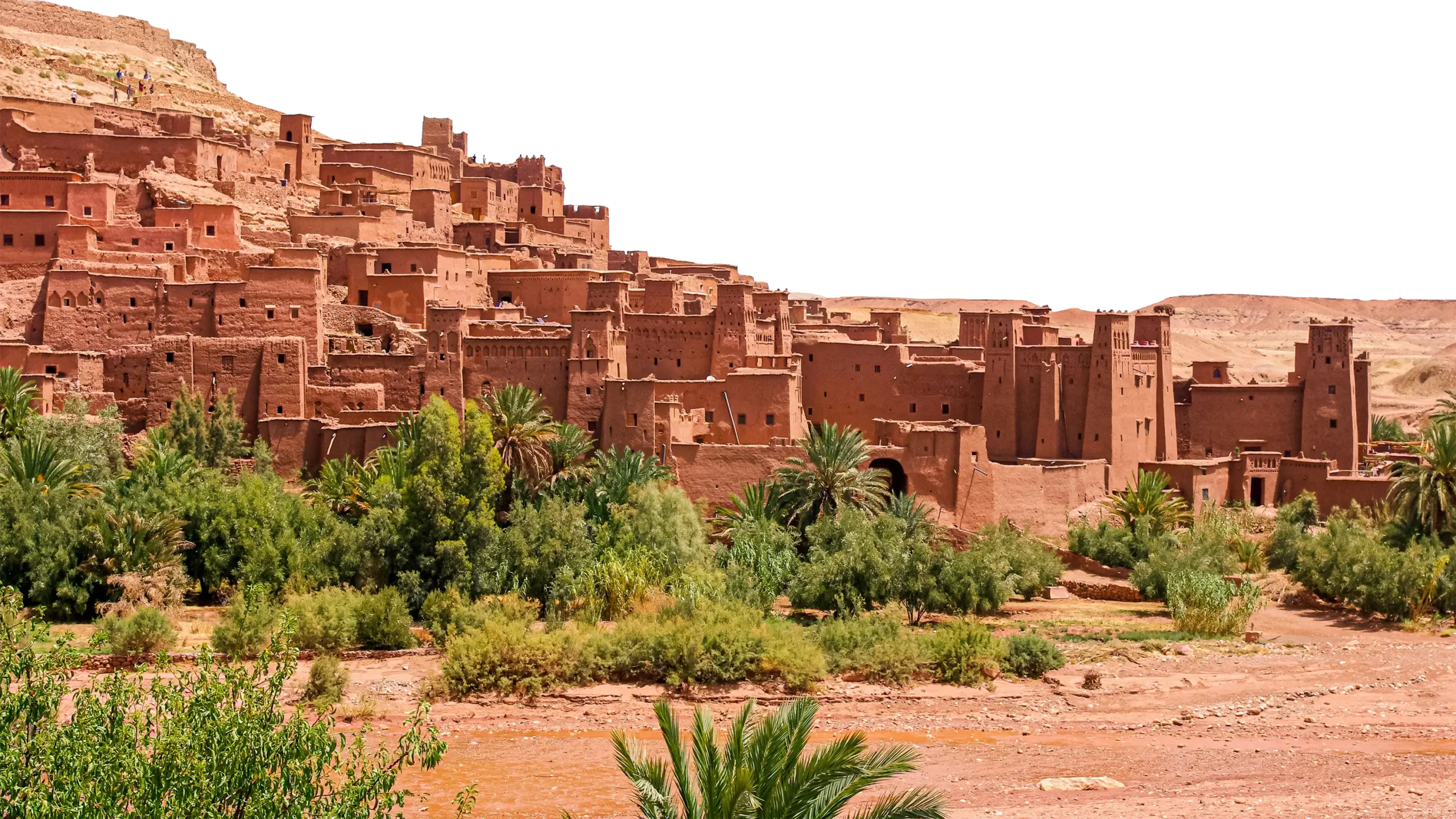
Fes is a city of depth — quiet courtyards behind unmarked doors, centuries-old craftsmanship, and a medina that feels like a living museum. It rewards the curious: travellers who want meaning, detail, and authenticity over spectacle. With Saharaï, Fes feels intimate and unrushed, guided with context so the city becomes layered and elegant rather than overwhelming.
This is a destination for travellers who value heritage, architecture, and the beauty of things made slowly and well. With the right pacing, Fes becomes one of Morocco’s richest cultural chapters: artisan quarters, hidden details, refined riads, and a sense of history that reveals itself gradually rather than all at once. The experience works best when it is shaped with care, which is why guidance and rhythm matter so much here.
Fes at a glance
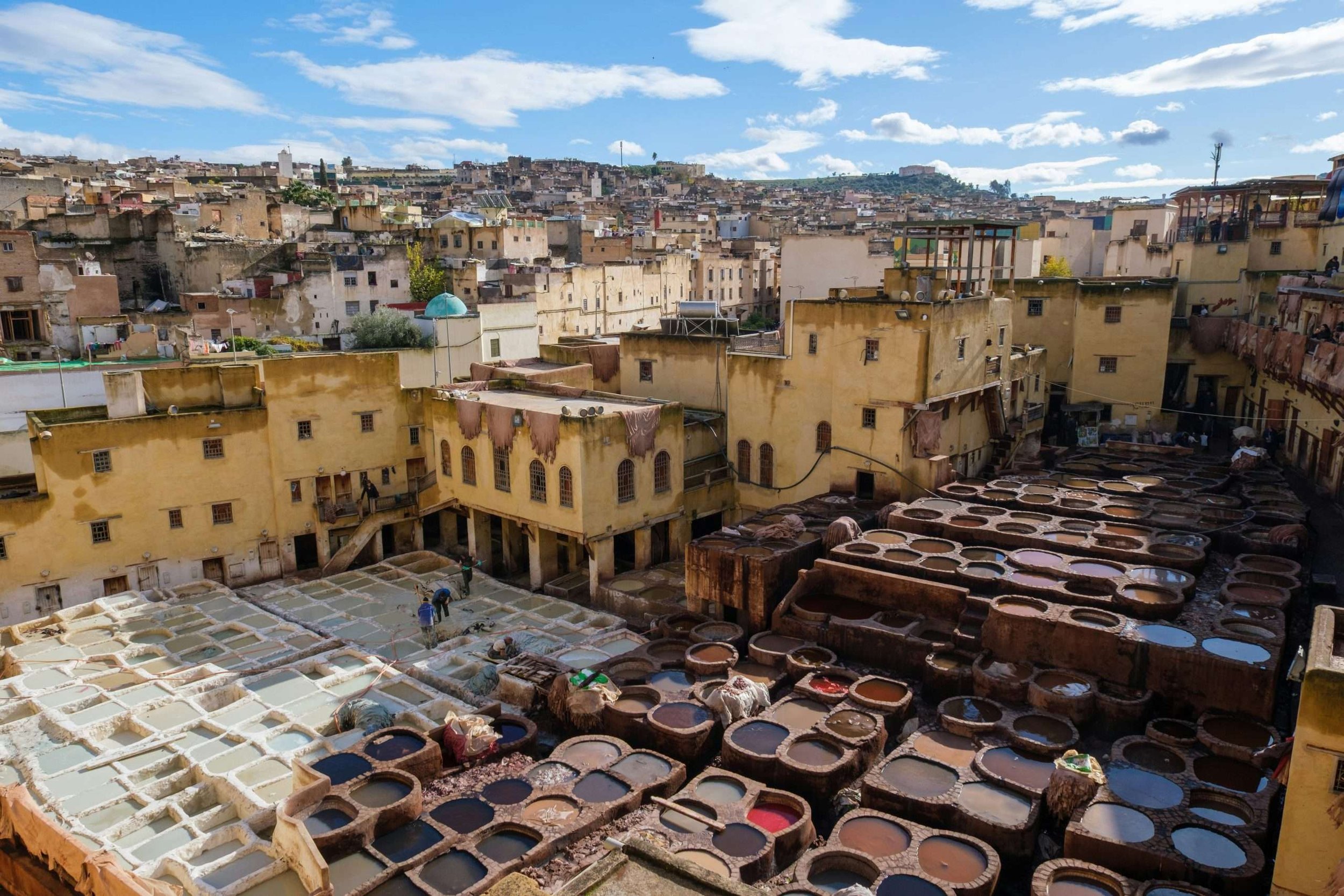
Fes is Morocco’s oldest Imperial City and home to one of the world’s largest car-free urban areas. Famous for its UNESCO-listed medina, traditional craftsmanship, historic madrasas, leather tanneries, and centuries-old cultural heritage, Fes is widely considered Morocco’s intellectual and spiritual capital. Many travelers combine Fes with Chefchaouen, Meknes, Volubilis, or the Sahara Desert as part of a wider Morocco itinerary.
Pairs beautifully with: Meknes and Volubilis for Morocco’s imperial and Roman history, Chefchaouen for a slower mountain atmosphere, and the Sahara Desert for a journey that transitions from heritage-rich medinas to vast desert landscapes.
Best for
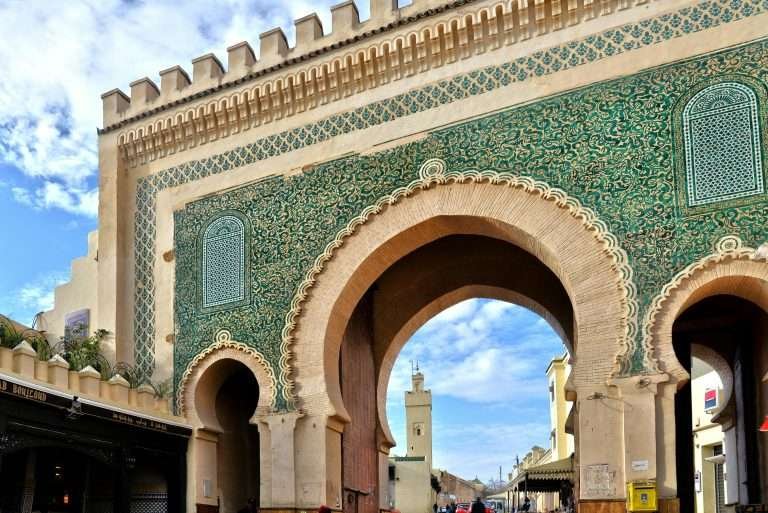
Cultural immersion, history, and architecture lovers
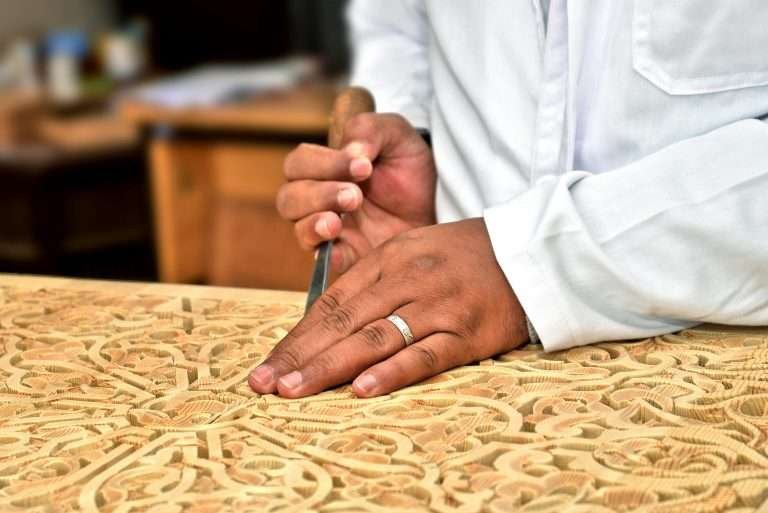
Travelers who value craft, heritage, and authenticity
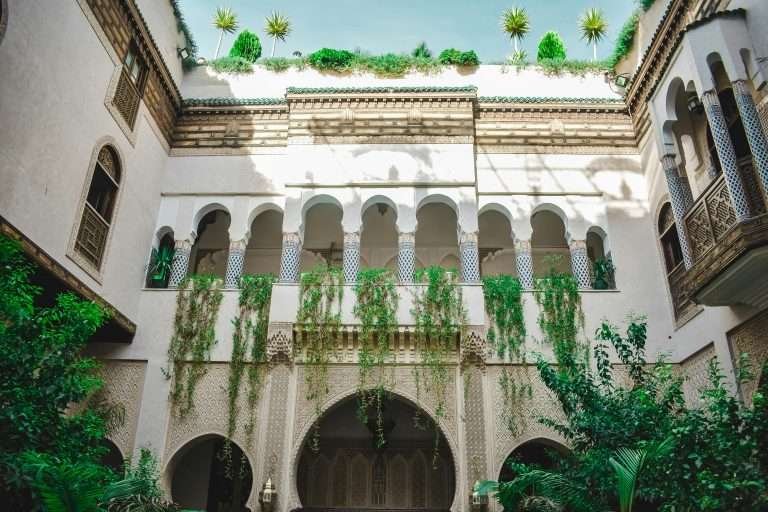
A slower, more soulful city chapter
Signature Saharaï moments
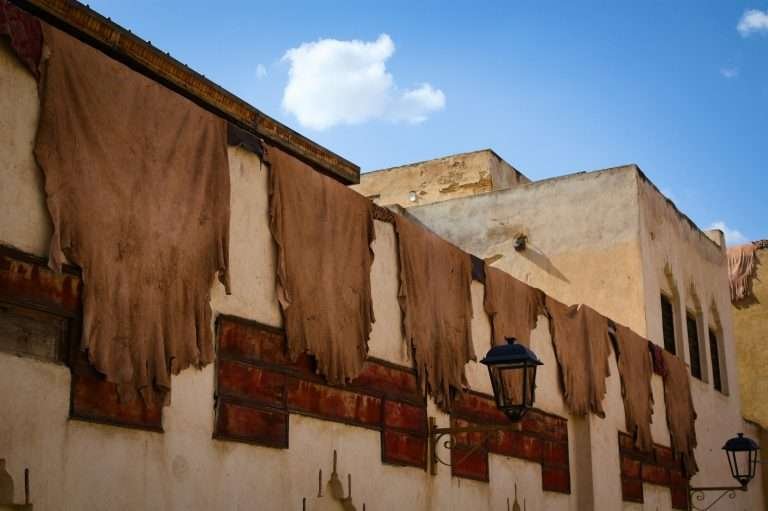
Private medina walk with artisan quarters and hidden landmarks
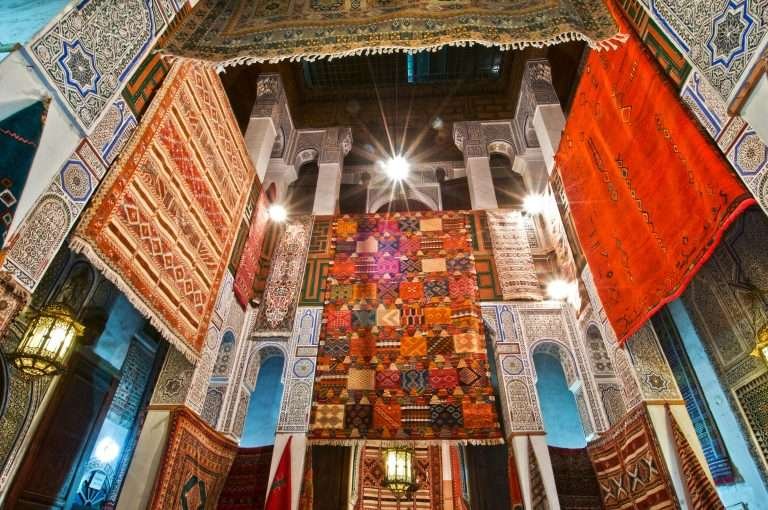
Curated shopping with quality control and cultural context
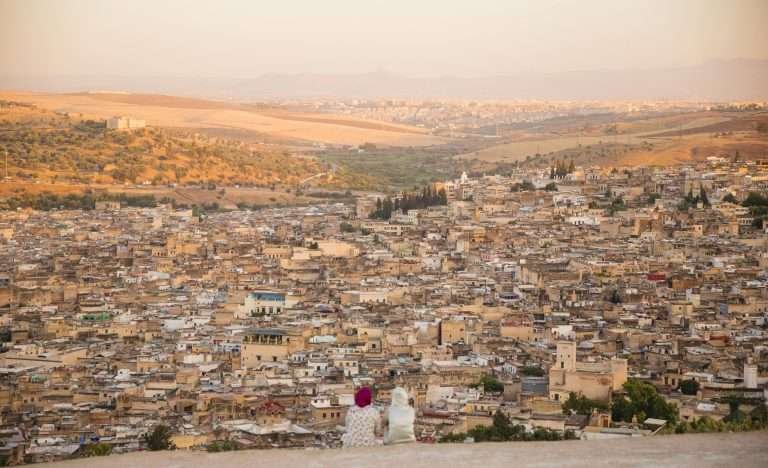
Sunset viewpoint and refined riad dining experience
The Saharaï Lens — Why choose Fes?
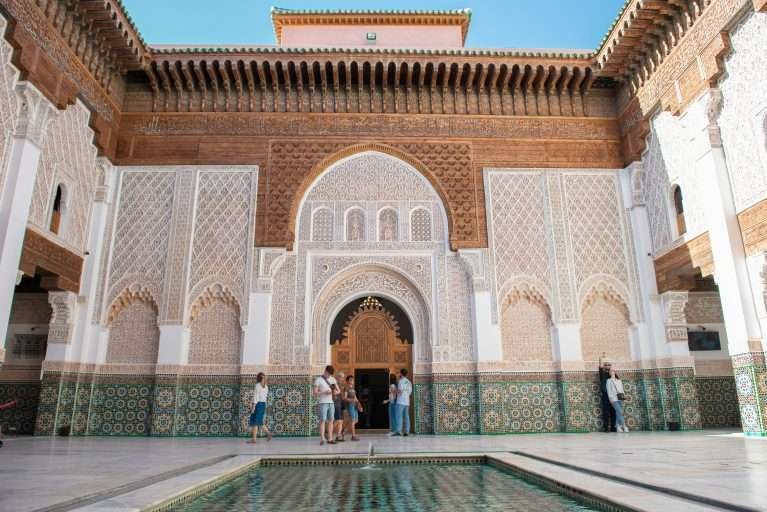
Fes is luxury through depth: access, context, and calm pacing inside one of the world’s most layered medinas. The key here is guidance — not only navigation, but meaning. With Saharaï, we focus on craftsmanship, hidden architectural details, and the quieter moments that make the city feel personal rather than performative. Zellige, leather, brass, woodwork, old courtyards, and medina rhythm all matter more when they are seen with the right lens. A beautiful riad is essential in Fes, because it transforms intensity into elegance and gives the whole experience a more soulful, restorative balance.
How to weave it into your journey
Plan Fes as your heritage anchor. Two nights covers the essentials, while three nights gives you the space to slow down and actually enjoy it. It pairs naturally with Meknes and Volubilis if you want a stronger history chapter, or with Chefchaouen if you want a softer reset after medina immersion. If you are traveling north to south, Fes is the ideal chapter before the Sahara route begins.
For many travelers, Fes serves as the cultural heart of a Morocco itinerary, offering the strongest sense of the country’s history, craftsmanship, and living traditions.
See where Saharaï can take you
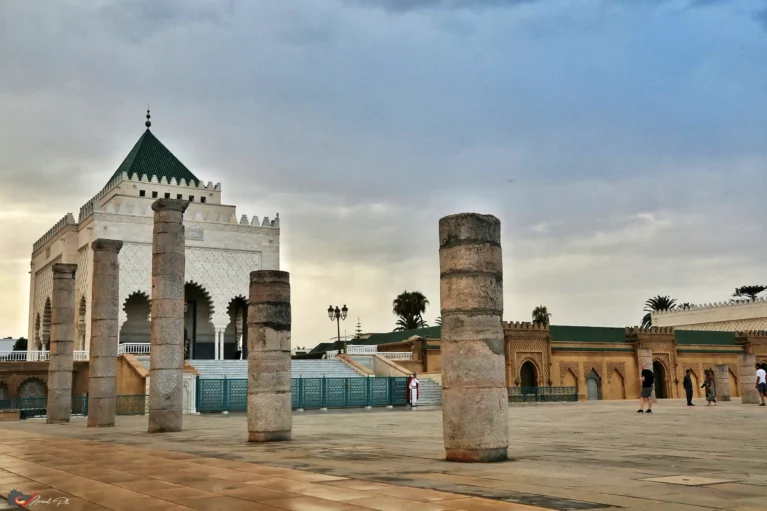
Imperial Grandeur: 8-Day Luxury Tour of Morocco’s Imperial Cities
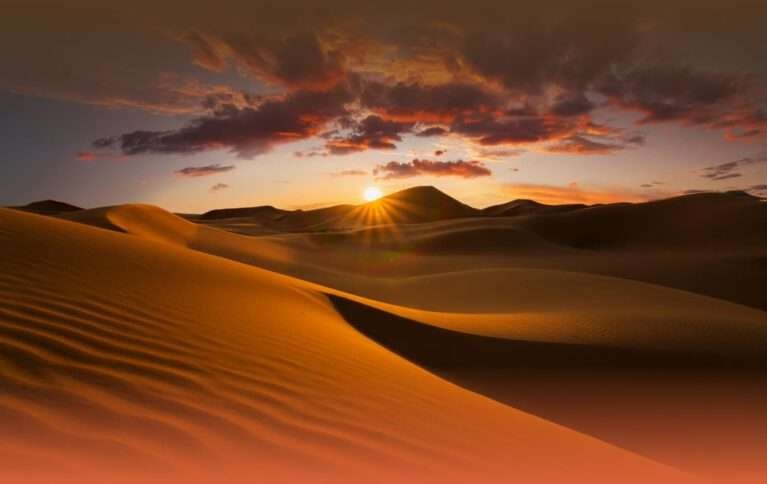
Desert Odyssey: 10-Day Luxury Morocco Tour from Tangier to Marrakech
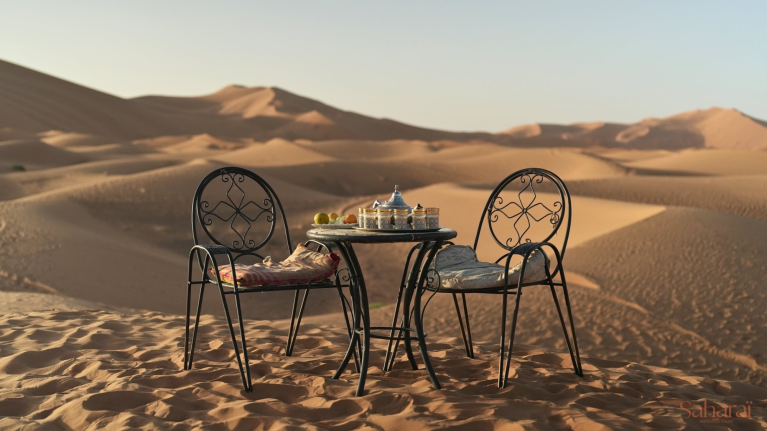
Golden Horizon: 14-Day Luxury Morocco Grand Tour from Casablanca to Essaouira
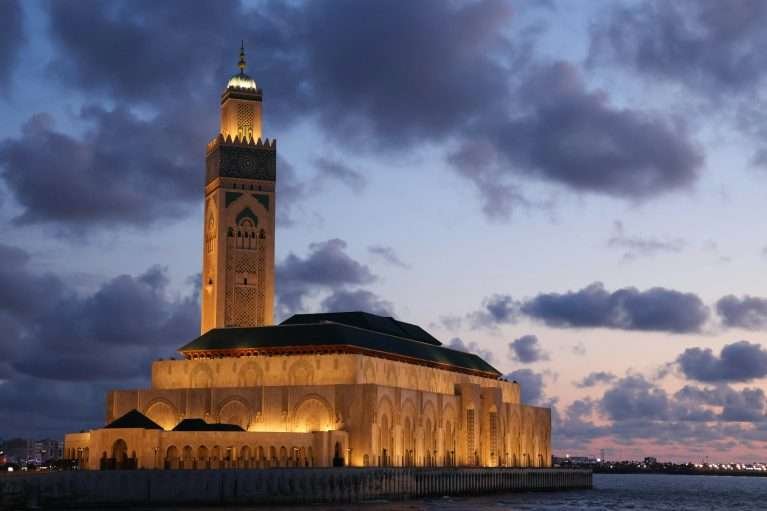
7-Day Luxury Morocco Tour: Casablanca to Marrakech via Chefchaouen, Fes & Sahara
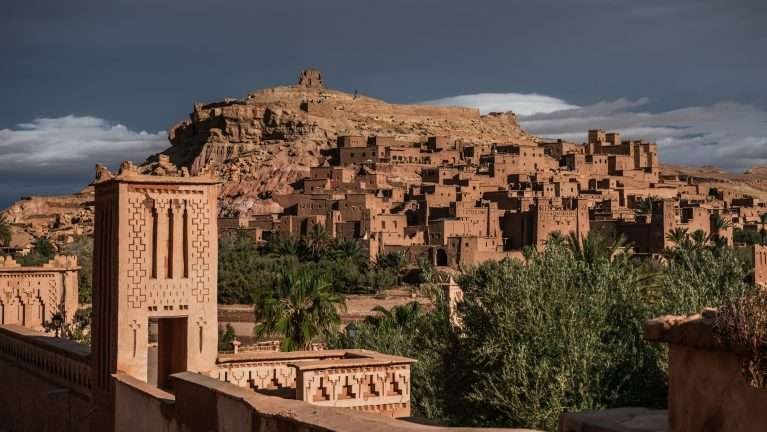
4-Day Luxury Tour: Fes to Marrakech via the Sahara Desert
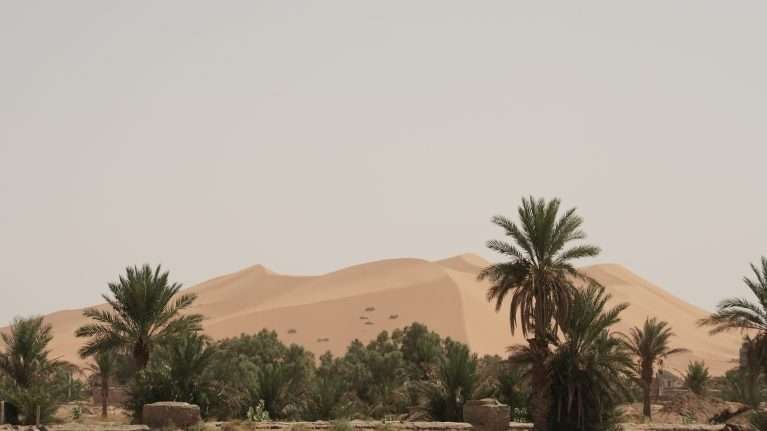
5-Day Luxury Morocco Tour: Marrakech to Fes via the Sahara Desert
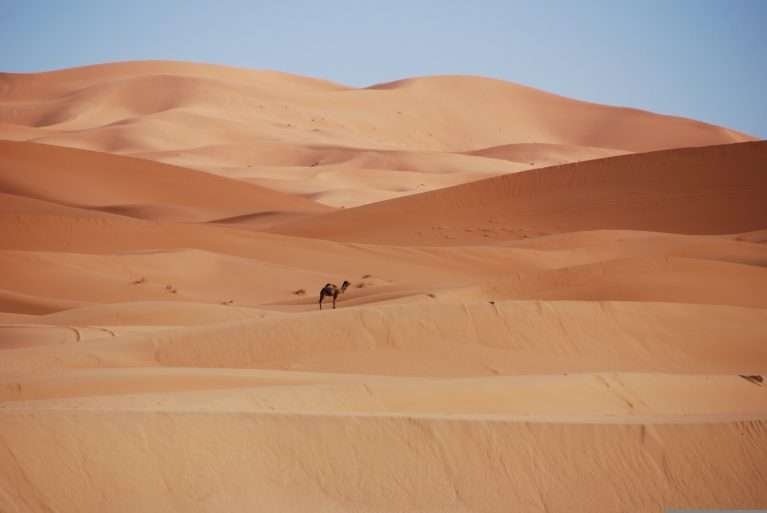
2-Day Luxury Desert Tour: Fes to Merzouga Sahara Dunes
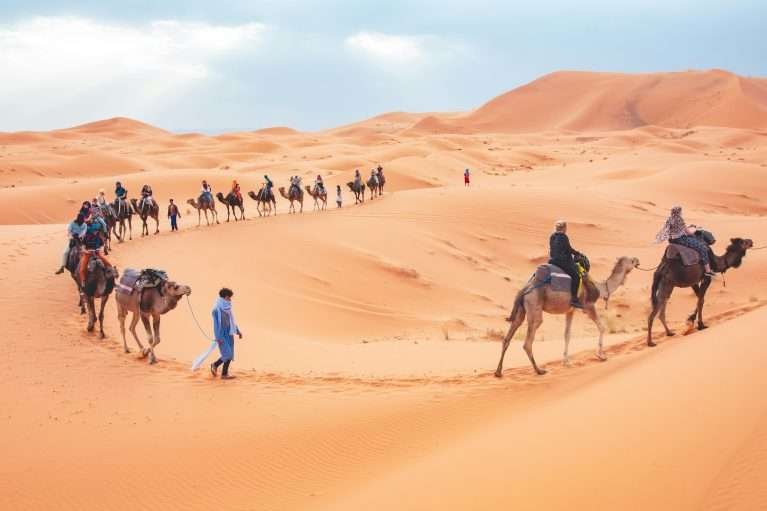
3-Day Luxury Tour: Fes to Marrakech via the Sahara Desert
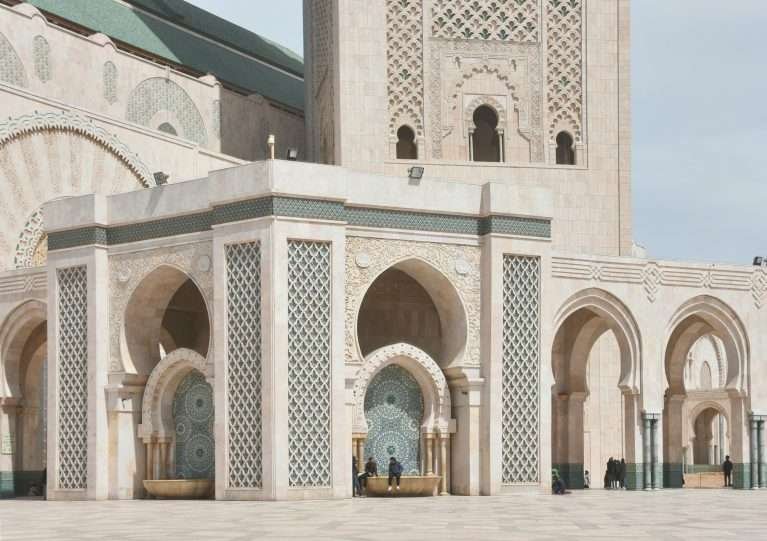
5-Day Luxury Morocco Tour: Casablanca to Marrakech via Fes & Sahara
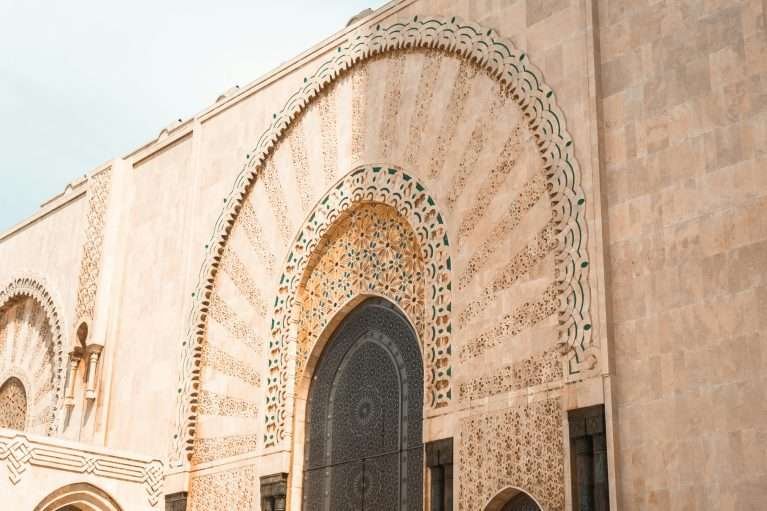
14-Day Luxury Morocco Grand Tour: Casablanca to Essaouira via Fes & Sahara
13-Day Luxury Morocco Grand Tour: Casablanca to Essaouira via Fes & Sahara
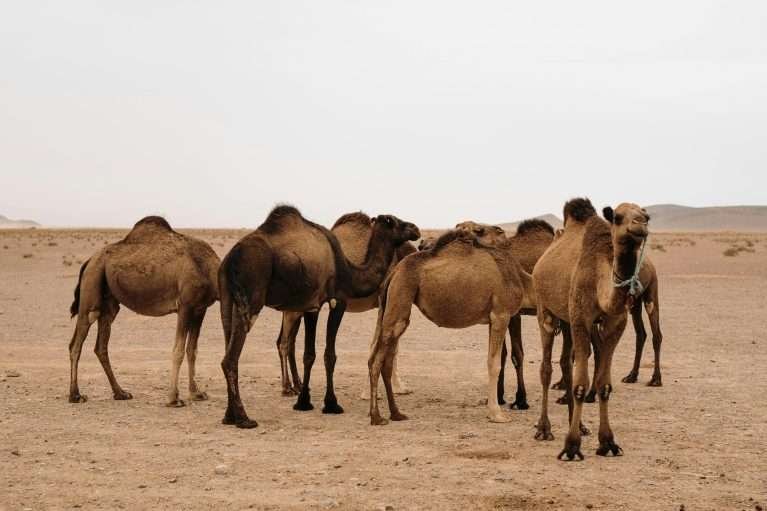
12-Day Luxury Morocco Grand Tour: Casablanca to Essaouira via Fes & Sahara
11-Day Luxury Morocco Tour: Casablanca to Essaouira via Fes & Sahara
10-Day Luxury Morocco Tour: Casablanca to Marrakech via Chefchaouen, Fes & Sahara
9-Day Luxury Morocco Tour: Casablanca to Marrakech via Chefchaouen, Fes & Sahara
8-Day Luxury Morocco Tour: Casablanca to Marrakech via Chefchaouen, Fes & Sahara
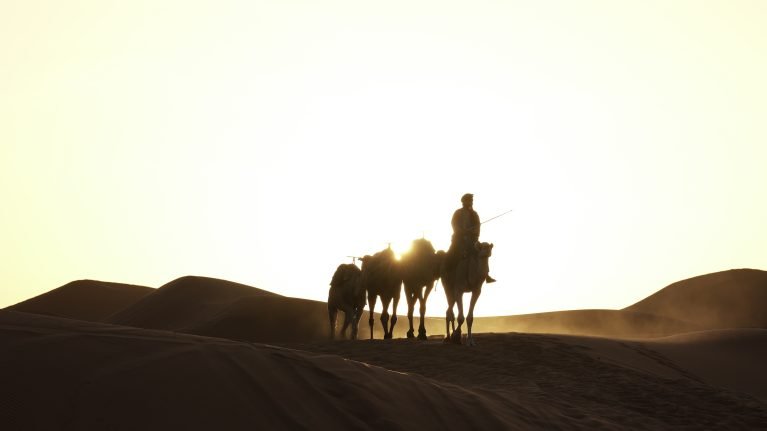
14-Day Luxury Morocco Tour: Marrakech to Casablanca via Essaouira, Sahara & Fes
13-Day Luxury Morocco Tour: Marrakech to Casablanca via Sahara, Fes & Chefchaouen
12-Day Luxury Morocco Tour: Marrakech to Casablanca via Sahara, Fes & Chefchaouen
11-Day Luxury Morocco Tour: Marrakech to Casablanca via Essaouira, Sahara & Fes
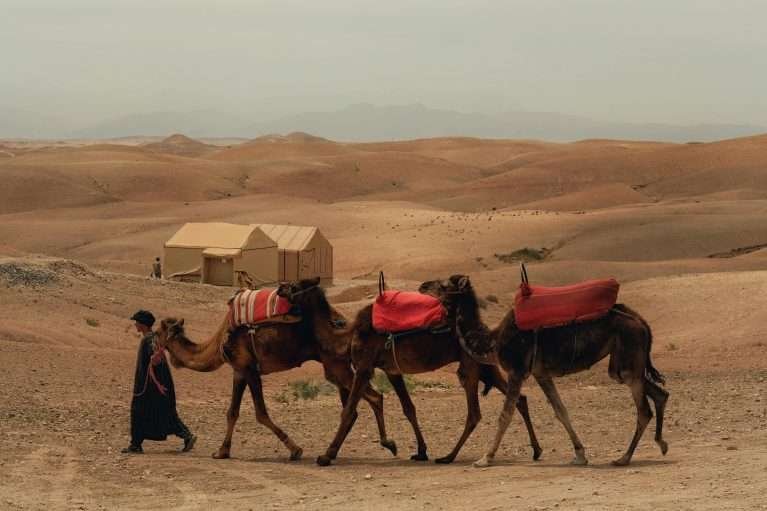
10-Day Luxury Morocco Tour: Marrakech to Casablanca via Sahara & Fes
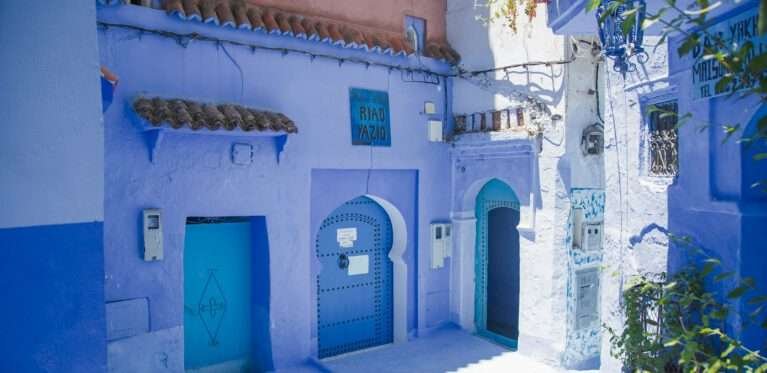
9-Day Luxury Morocco Tour: Marrakech to Casablanca via Sahara & Fes
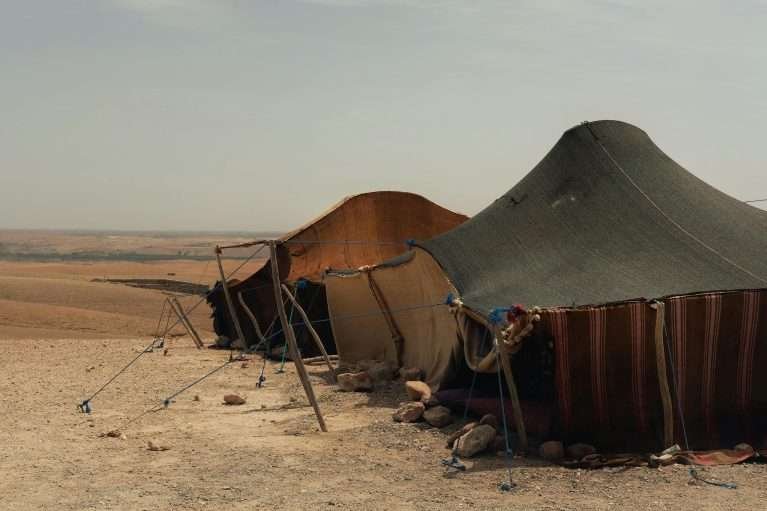
8-Day Luxury Morocco Tour: Marrakech to Fes via the Sahara Desert
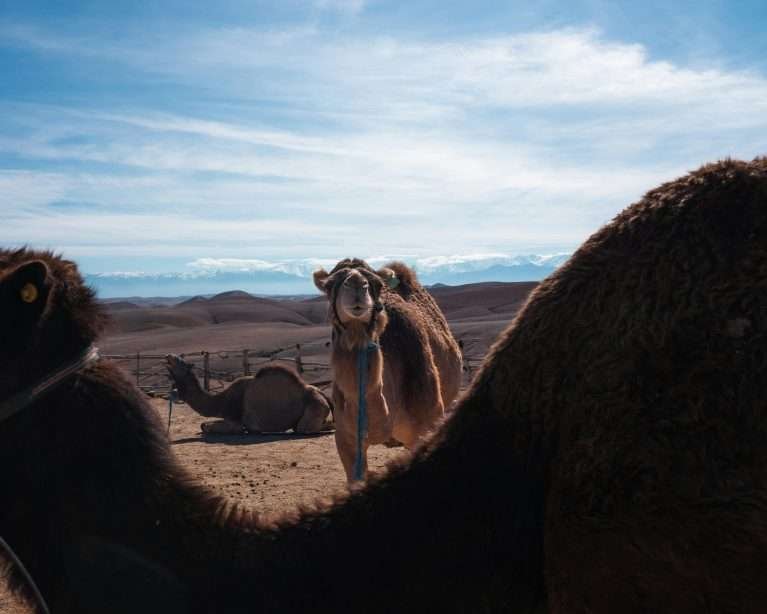
7-Day Luxury Morocco Tour: Marrakech Sahara Desert Loop
6-Day Luxury Morocco Tour: Marrakech Sahara Desert Loop
Let our experts help you craft your perfect Moroccan journey.
Call us for tailored advice and travel inspiration.
Call us*
*If we miss your call, we're probably on a tour — we'll get back to you as soon as we can.
The best time to visit
Spring + Autumn
For comfort and soft light
Summer
For early starts and siesta-style pacing
Winter
For crisp days and cozy riad evenings
Frequently Asked Questions
Is Fes worth it if I’m also visiting Marrakech?
Yes — very much so. Fes and Marrakech complement each other beautifully. Marrakech is more sensory, glamorous, and outward-facing, while Fes is deeper, more meditative, and more rooted in heritage, craftsmanship, and cultural detail.
How long should I stay in Fes?
Two nights is a strong minimum, but three nights is usually the sweet spot if you want Fes to feel calm and immersive rather than dense. That extra time helps with pacing and makes it easier to enjoy both the medina and your riad properly.
Do I need a guide for the Fes medina?
Highly recommended. Fes is one of the most rewarding cities in Morocco, but also one of the easiest to find overwhelming without context. A private guide improves comfort, meaning, and rhythm, and helps the medina feel rich rather than chaotic.
What is Fes known for?
Fes is best known for its UNESCO-listed medina, traditional craftsmanship, historic madrasas, leather tanneries, intricate zellige tilework, and centuries-old cultural heritage. It is widely regarded as Morocco’s intellectual and spiritual capital.
Is Fes different from Marrakech?
Yes. While Marrakech is often associated with energy, gardens, luxury riads, and vibrant city life, Fes offers a deeper focus on history, craftsmanship, scholarship, and cultural heritage. Many travelers visit both because they provide very different perspectives on Morocco.
Can Fes be combined with the Sahara Desert?
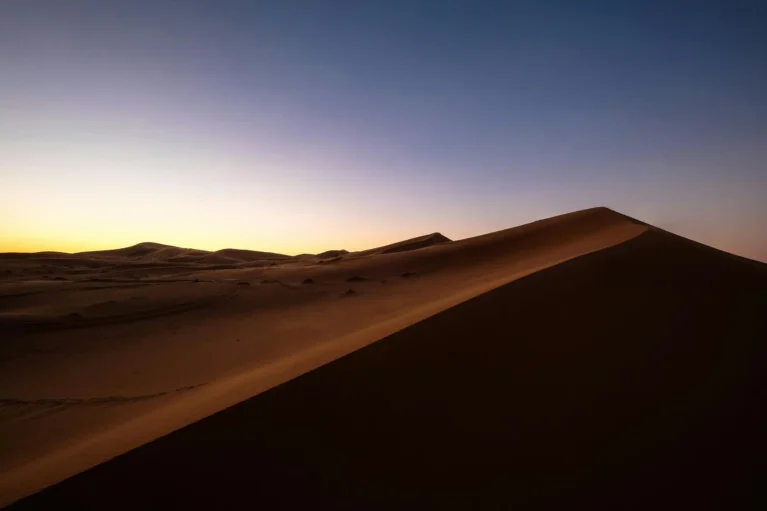
Absolutely. Fes is one of the most popular starting points for journeys into the Sahara Desert. Many itineraries travel through the Middle Atlas Mountains before reaching Merzouga and the dunes of Erg Chebbi, creating a natural progression from historic cities to desert landscapes.
Ready to plan your Morocco adventure?
Not sure where to start? Our travel specialists know Morocco inside out and can tailor an itinerary around your interests, pace, and budget. Reach out — we’d love to help.