Tour Highlights
A Private Luxury Desert Crossing
A private, design-led desert journey from Marrakech to the golden dunes of Merzouga — crafted for travelers who want Morocco to feel like Morocco: mountain air, kasbah silhouettes, palm-lined valleys, canyon light, and a night where the sky becomes the ceiling.
This is not a checklist tour. It’s a seamless crossing.
Curated pacing, beautiful stops, and the kind of moments you remember for a lifetime.
Why it’s different
- Cinematic pacing: fewer rushed “drive-by” stops, more intentional pauses where Morocco actually lands.
- Texture & contrast: snow-dusted peaks (depending on season) → red-earth kasbahs → palm oases → canyon walls → Erg Chebbi dunes.
- Private journey energy: your own driver-guide, your own rhythm, stops whenever you want.
- Desert night, elevated: glamping comfort, warm hospitality, Berber music, stars, silence.
What to expect
- Private vehicle & English-speaking driver-guide (your rhythm, your stops)
- Handpicked riads & hotels with charm, warmth, and standards
- A desert camp chosen for comfort, atmosphere, and authenticity
- A route that sells the emotion of Morocco: contrast, texture, silence, light
The price includes:
The price does not include:
Tour Itinerary
Day 1Marrakech → High Atlas → Aït Benhaddou → Ouarzazate
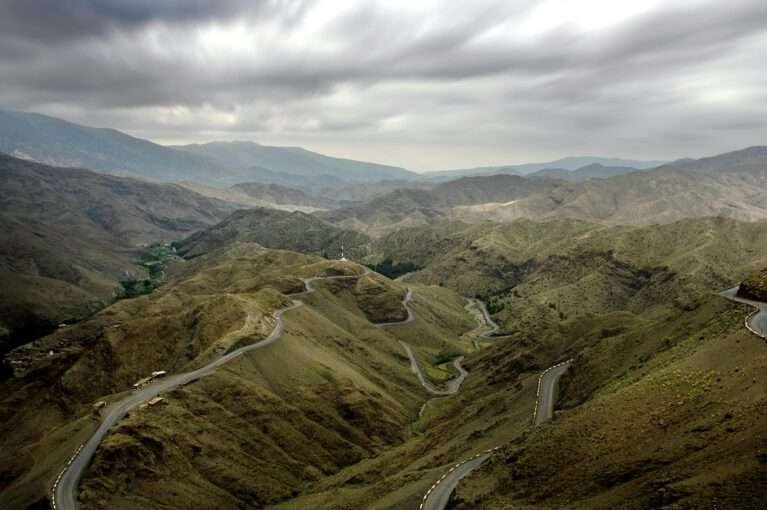
Your private crossing begins in the most cinematic way possible: leaving Marrakech behind, you climb into the High Atlas Mountains via the legendary Tizi n’Tichka Pass. The road winds through panoramic overlooks and Berber mountain villages, where daily life unfolds against a backdrop of stone peaks and terraced hillsides.
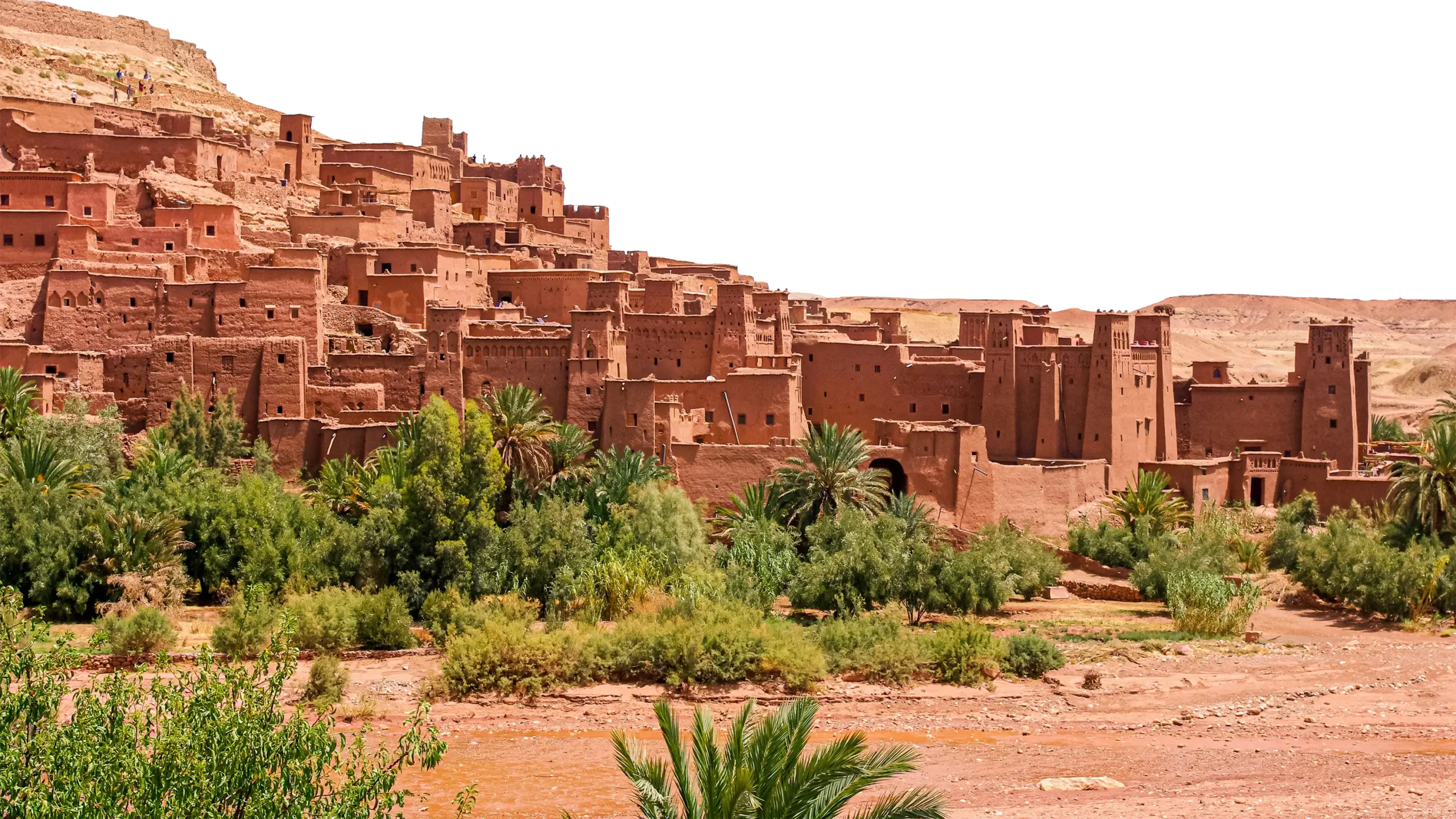
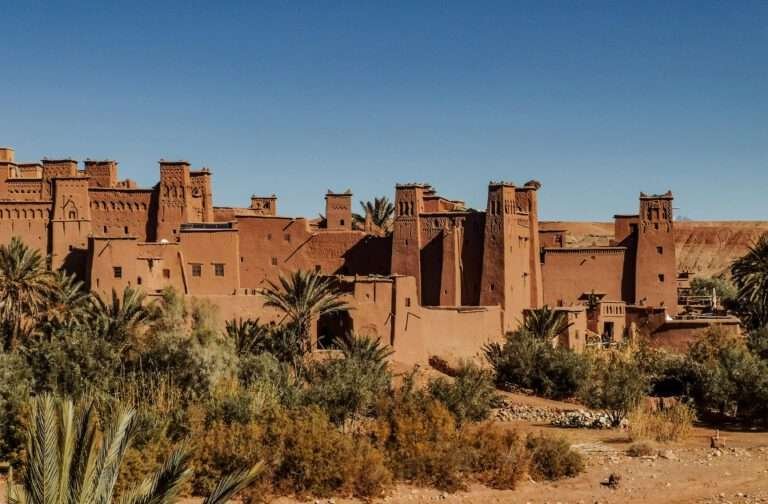
Midday, you arrive at Aït Benhaddou (UNESCO World Heritage Site) — a fortified earthen village (ksar) that feels like stepping into another century. You’ll have time to wander the lanes, climb to the panoramic viewpoint, and understand why it has been used as a backdrop for major films and series. This is Morocco’s architecture at its most iconic: sun-baked clay walls, palm-framed horizons, and quiet corners made for photography.
Continue to Ouarzazate, known as the “Gateway to the Desert,” where the landscape turns wide and golden. Depending on timing and your interests, we can include an optional stop at:
- Atlas Studios (for film lovers), or
- a viewpoint over Kasbah Taourirt (one of the city’s historic anchors).
Overnight: Ouarzazate — in a Saharaï-selected riad/hotel with comfort, charm, and calm.
Saharaï moment: Sunset tea on a terrace, taking in the fresh desert air.
Day 2Ouarzazate → Draa Valley → Rissani → Merzouga (Desert Camp)
After breakfast, the route becomes pure Morocco: kasbah silhouettes, open roads, and a ribbon of green cutting through desert tones.
You travel through the Draa Valley, famous for its vast palm groves, oasis villages, and ancient kasbahs scattered along the riverbanks. This is one of Morocco’s most beautiful “in-between” landscapes — the kind that most travelers rush through, but we treat as part of the experience. There are opportunities for scenic photo stops, short walks, and a relaxed lunch break (we’ll recommend the best options based on the day’s flow).
Later, you reach Rissani, a historic desert trading town and the gateway to the Sahara. If the timing aligns well, you’ll experience the atmosphere of its traditional market culture — a place known for spices, dates, handmade goods, and local commerce that still feels rooted and real.
By late afternoon, you arrive in Merzouga, where the horizon shifts — suddenly the dunes rise like waves. At golden hour, your desert transition begins:
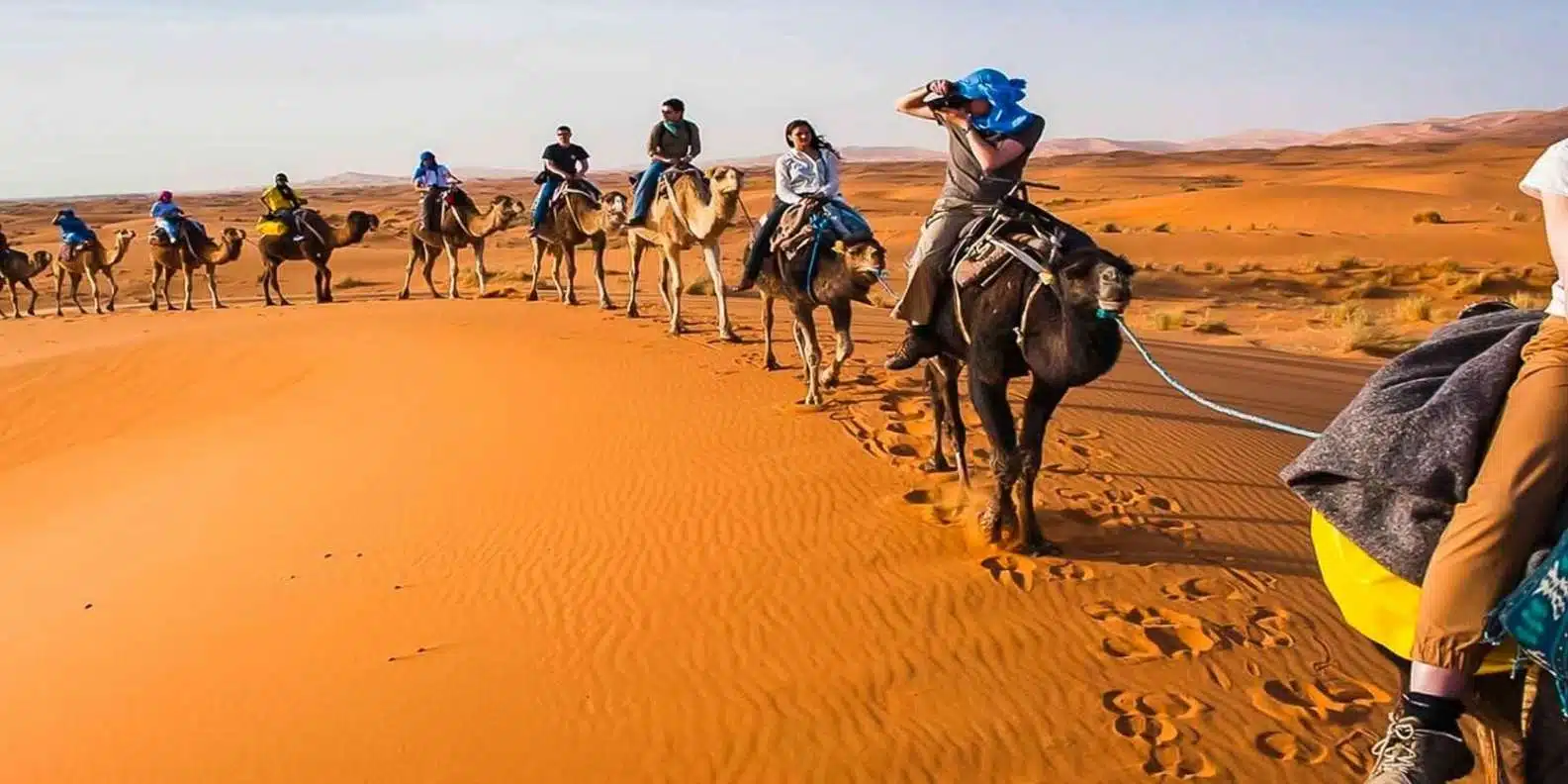
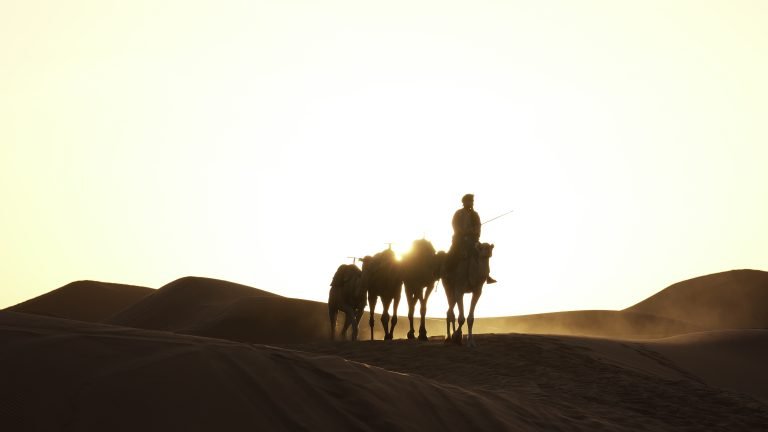
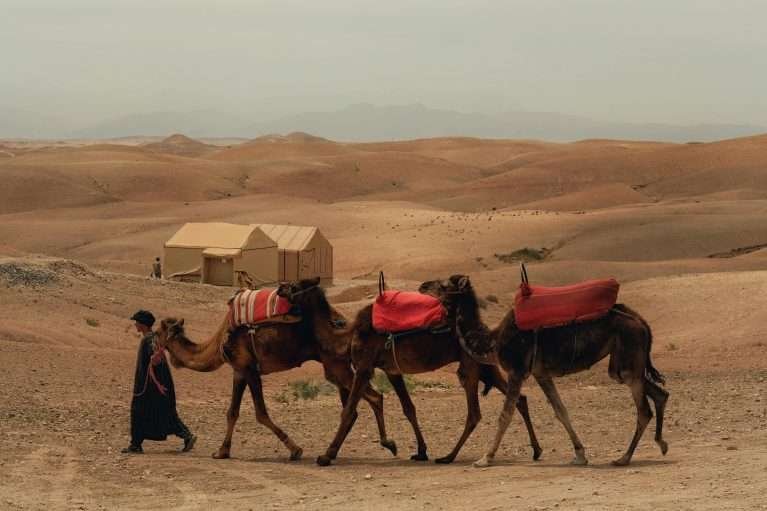
- Camel trek at sunset across the dunes (classic, romantic, unforgettable), or
- 4×4 transfer if you prefer comfort and speed.
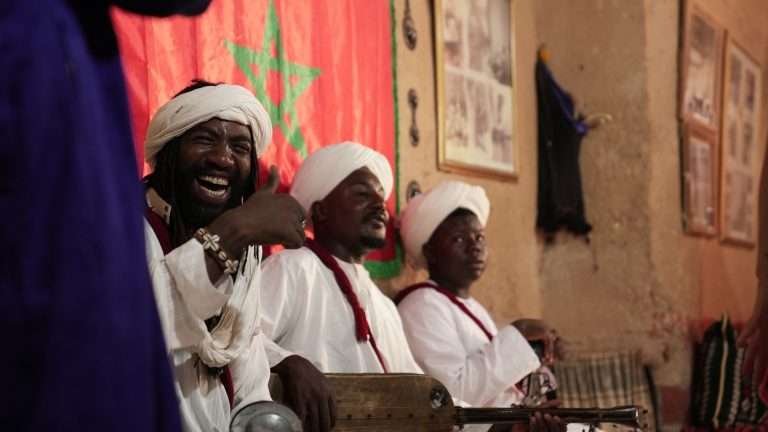
You arrive at your desert camp with lantern light, warm hospitality, and a calm, elevated feel. Dinner is served under the stars, followed by Berber rhythm, mint tea, and that rare silence you only find in the dunes.
Overnight: Saharaï-selected Erg Chebbi desert camp (with luxury upgrades available).
Saharaï moment: The first time you look up — and the Sahara reveals its real magic.
Day 3Merzouga → Erfoud → Todra Gorge → Dades Valley
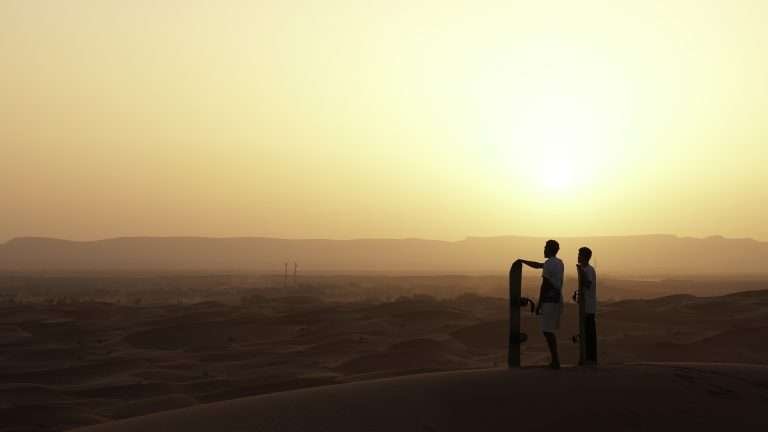
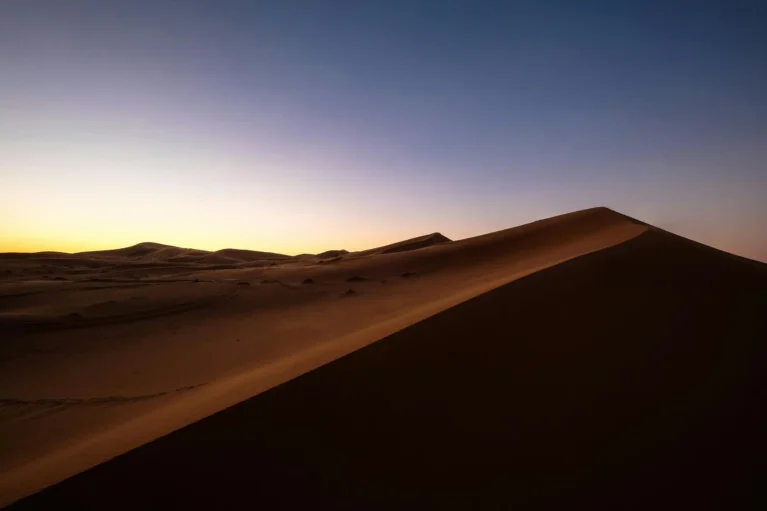
Morning in the desert is a different world: soft light, cool air, and dunes that look freshly sculpted. For early risers, sunrise over Erg Chebbi is worth it — the sand shifts from rose-gold to bright honey in minutes.
After breakfast, you depart Merzouga and travel toward Erfoud, a region known for its fossil-rich stone and desert geology. (Optional: we can include a brief stop at a reputable fossil workshop if you’re curious about the ancient seabed history of this region.)
Then comes one of Morocco’s most dramatic natural landmarks: Todra Gorge. Towering canyon walls rise sharply on either side, creating a corridor of stone, shade, and cool river air. You’ll have time for a gentle walk, photos, and a pause to simply take it in — this is a favorite moment for many of our guests as it’s both striking and easy to enjoy.
In the afternoon, you continue into the Dades Valley, where the scenery becomes otherworldly: layered cliffs, winding roads, and surreal rock formations. Depending on light and timing, we’ll stop at viewpoints for the classic valley panoramas and, if you’d like, short optional walks.
You’ll also see the famous “Monkey Fingers” rock formations, sculpted by wind and time into dramatic shapes — one of the most photographed natural features in the region.
Overnight: Dades Valley — in a Saharaï-selected riad/hotel designed for comfort and atmosphere.
Saharaï moment: Dinner in the valley as the cliffs turn deep red at dusk.
Day 4Dades → Skoura Oasis → Kasbah Amridil → High Atlas → Marrakech
Your final day begins in the oasis belt — a softer Morocco of palm groves and hidden kasbahs.
You pass through Skoura Oasis, a lush palm-filled region known for its historic kasbah architecture and quiet beauty. Here, you visit Kasbah Amridil, one of Morocco’s most iconic and well-preserved kasbahs — a true window into traditional fortress life, with earthen towers, old granaries, and architecture that tells the story of desert-edge Morocco.
From here, you begin the scenic return across the High Atlas. We build in unrushed stops for panoramas, short breaks, and that final “wow” moment as the mountains open and Marrakech returns into view.
Arrive: Marrakech in the evening, with drop-off at your riad/hotel — or directly to the airport if needed.
Saharaï moment: The quiet satisfaction of arriving back changed: not a trip taken, but a country experienced.
Route Map
Tour Overview
- Marrakesh
- Tizi n’Tichka Pass
- Aït Benhaddou
- Ouarzazate
- Dades Valley
- Todra Gorge
- Erfoud
- Merzouga
- Rissani
- Alnif
- Nkob
- Ouarzazate
- Marrakesh
Map shown for illustrative purposes only. The actual tour route may vary slightly.
FAQs: 4-Day Luxury Desert Tour: Marrakech to Merzouga & Back
What is the route for the 4-day Marrakech to Merzouga desert tour?
This is a classic Marrakech → High Atlas → kasbah & valley landscapes → Merzouga (Erg Chebbi dunes) → Todra/Dades region → Marrakech desert loop, designed with curated scenic stops.
Do we cross the High Atlas Mountains on this tour (Tizi n’Tichka Pass)?
Yes — the journey crosses the High Atlas via the Tizi n’Tichka Pass, with panoramic viewpoints and comfort stops built in.
Do we visit Aït Benhaddou (UNESCO) on the way to the Sahara?
Yes — Aït Benhaddou (UNESCO) is a key highlight on the route. We schedule time to explore the ksar and reach the panoramic viewpoint.
How long is the drive from Marrakech to Merzouga (Erg Chebbi) on the 4-day tour?
It’s a full scenic travel day (typically the longest of the trip). We pace it with well-timed breaks and a proper lunch stop so it feels smooth, not punishing.
What’s included in the Sahara desert camp overnight in Merzouga?
Your desert camp night includes the dunes arrival experience (camel or 4x4), dinner, breakfast, and the classic Sahara atmosphere (lantern light and starlit sky). Camp comfort can be upgraded by tier.
Do we have to do the camel ride to the camp?
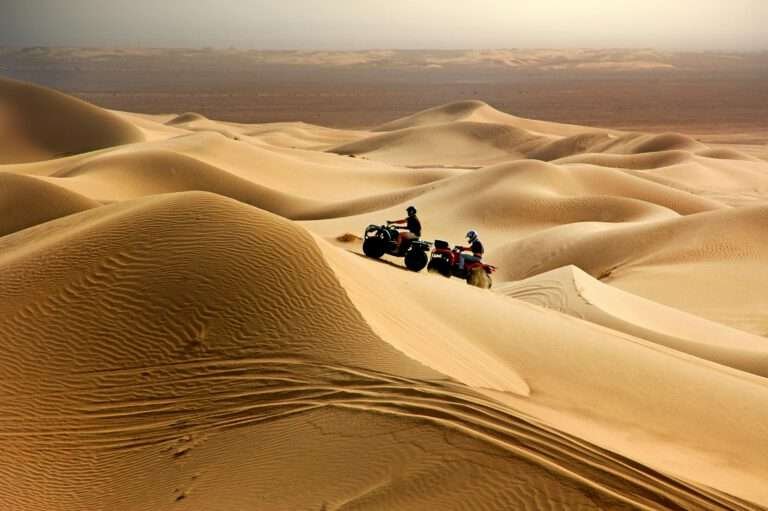
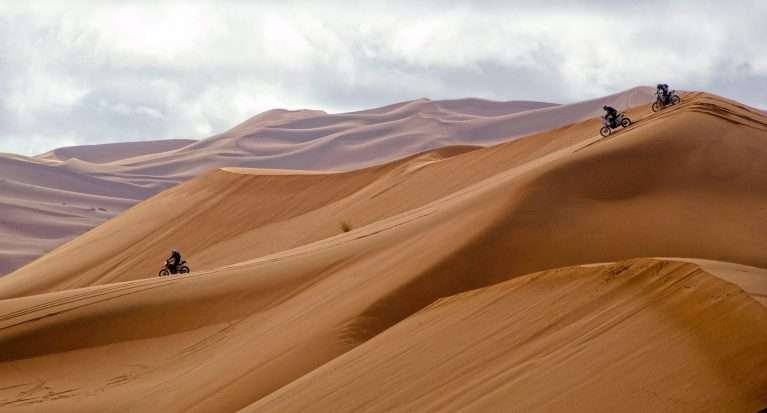
No — you can arrive by 4x4 transfer instead. (Quads/buggies are optional add-ons in designated areas and are not included.)
Do we visit Todra Gorge and the Dades Valley on this 4-day route?
Yes — this itinerary typically includes Todra Gorge (walkable canyon corridor) and the Dades Valley (sculpted landscapes and viewpoints), depending on pacing and light.
Is Merzouga the best place for dunes on a Marrakech desert tour?
For dramatic dunes and that iconic Sahara feeling, Erg Chebbi (Merzouga) is the classic choice — especially for sunset and stargazing.
What time of year is best for the Marrakech → Merzouga → Marrakech route?
Spring and autumn are typically ideal for comfortable temperatures. Summer and winter are possible with smart timing and the right layering.
How physically demanding is the 4-day Marrakech desert tour?
Generally light to moderate. Most walking is optional (viewpoints, short gorge stroll, brief medina lanes). We tailor pacing for families, older travelers, or guests who prefer minimal walking.
Is this a private tour?
Yes — private vehicle, private driver/guide, and flexible stops.
Can you make this more luxury or more family-friendly?
Yes. We tailor stays, room types, and pacing. Luxury upgrades have the biggest impact in the desert camp and key valley stays.
What our clients say about us

Amazing experience could not have had a better tour guide. Rachid was fun patient and attentive. We did the three day Merzouga tour and it was an unforgettable experience 10/10 recommend

my friends & I just finished a 3 day tour with this company and we couldn't be more satisfied with the experience honestly was one of the best tours I've been on in the whole world. all of the staff was super attentive, friendly, helpful, and made our trip feel so personalized exceeding all of our expectations. they also are experts at taking pictures/videos along the way in the best spots, and prevented us several times from overpaying for things. i wish i could go back and do it all over again

They helped in booking my trip in Morocco . It was a clean and structured trip that we really enjoyed

I booked a tour with Sharaï Morocco Tours while visiting Marrakech because I wanted more than the standard tourist experience. I was looking to better understand the history of the city, Moroccan culture, and the incredible architecture woven throughout the Medina. This tour exceeded every expectation.Booking was incredibly easy. The team was responsive, thoughtful, and immediately understood exactly the kind of experience I was looking for.My guide, Mustapha, was phenomenal. His knowledge of Moroccan history and architecture was extensive, but what made the experience truly special was how he connected it to his own personal experiences growing up in Morocco. He explained the meaning behind design elements, craftsmanship, and cultural traditions in a way that brought the city to life. He also took me through quieter, off-the-beaten-path areas of the Medina that most tourists would never discover on their own.The tour felt authentic, personal, and deeply enriching. It genuinely transformed my experience in Marrakech and became one of the highlights of my trip. The pricing was very reasonable, especially considering the quality of the experience and expertise provided.I will absolutely book with Sharaï Morocco Tours again on my next trip to Morocco. Highly recommend.

Our 8-day private family trip with Saharai Morocco Tours was truly unforgettable. Every detail was perfectly planned, from Casablanca to Marrakech, the Atlas Mountains, and the magical Merzouga desert.The breathtaking Ouzoud Waterfalls to the sunrise hot air balloon ride and our luxury desert camp stay, every moment was beautiful and memorable.What made our trip even more beautiful was our amazing guide, Rachid. He welcomed us like family and made us feel safe, comfortable, and genuinely cared for every step of the way. His kindness and attentiveness made the entire experience even more special.We’re so grateful for this incredible experience and highly recommend Saharai Morocco Tours!
Related Tours
View our other Morccan experiences
Ready to plan your Morocco adventure?
Not sure where to start? Our travel specialists know Morocco inside out and can tailor an itinerary around your interests, pace, and budget. Reach out — we’d love to help.