One of the most common questions travelers ask when planning a Morocco trip is when to go.
It is a reasonable question, but the best answer is not a single month. Morocco is not a one-climate destination, and that is exactly why the question matters. The experience of Morocco changes significantly depending on the season, the route, and the regions you want to combine.
A city-focused stay in Marrakech is not the same as a coast-led escape. A desert journey has different considerations from a mountain retreat. A classic multi-stop first trip needs different seasonal logic from a shorter, more specific break.
That is why the best time to visit Morocco depends less on finding one “perfect” moment and more on understanding what kind of trip you want to build.
In this guide, we’ll look at how the seasons work across Morocco, when to go for different regions, and how to choose the right time for a journey that feels smooth, beautiful, and well-matched to your travel style.
The best time depends on where you’re going
The first mistake people make when asking about the best time to visit Morocco is assuming the country behaves as one single destination.
It does not.
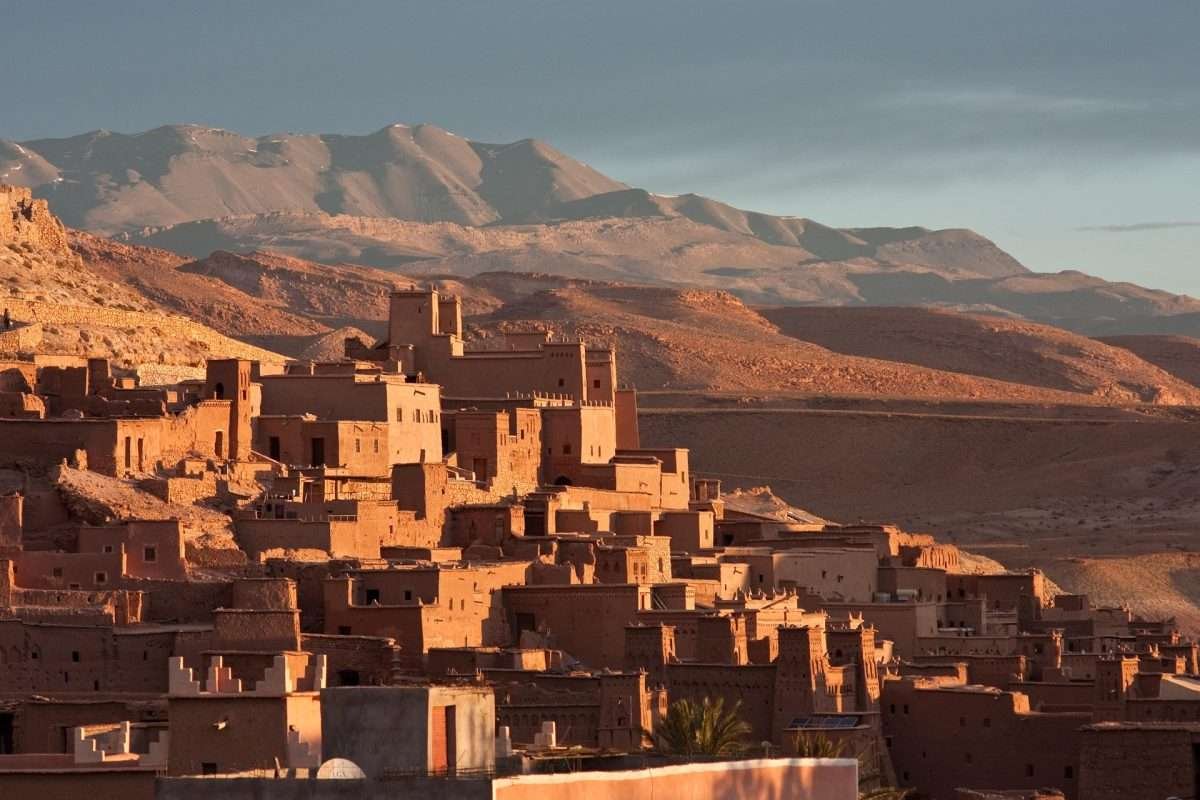
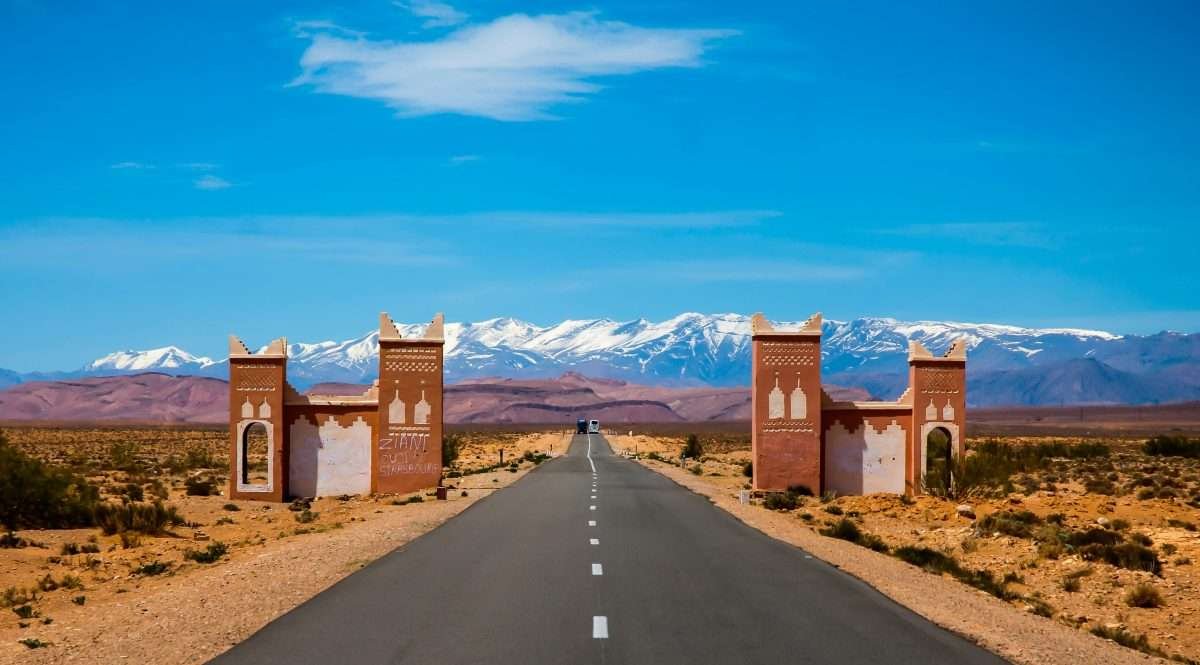
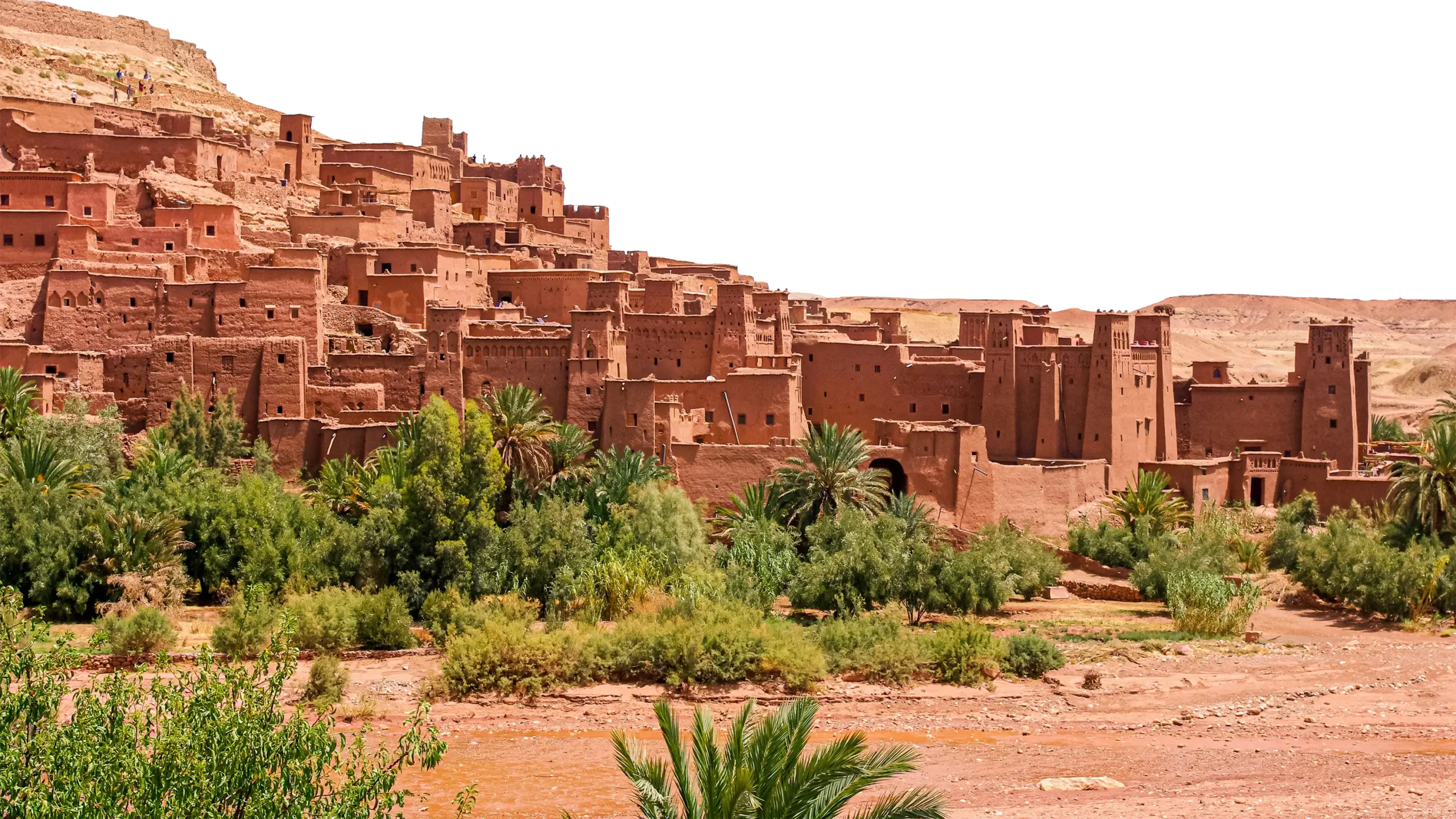
Morocco’s cities, coast, mountains, and desert each have their own rhythm. This diversity is largely the result of Morocco’s varied geography, which ranges from Atlantic coastal regions and mountain ranges to vast desert landscapes and inland imperial cities.
Even within the same season, conditions and atmosphere can vary dramatically depending on where you are and what your route includes. A month that feels excellent for Marrakech and the Atlas may not be the same month you would choose for a coast-first trip. A season that works beautifully for a desert journey may not be the same season you would choose for long, sea-led days on the Atlantic.
This is why “When should I visit Morocco?” is really shorthand for a more useful question:
What kind of Morocco do I want to experience?
- Do you want medinas, design hotels, and cultural energy?
- Do you want sea air and softer Atlantic light?
- Do you want mountain scenery and cooler evenings?
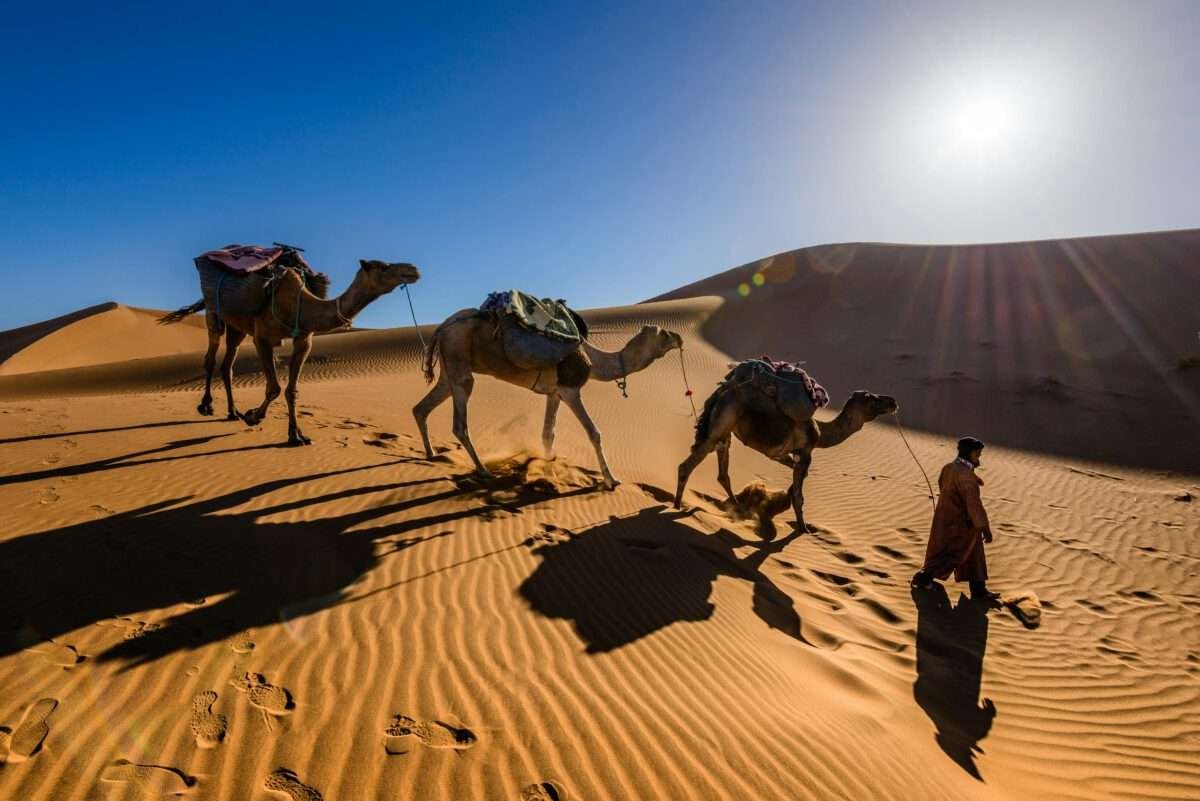
- Do you want the drama and stillness of the Sahara?
The best season is the one that suits the route you are actually taking.
That is also why broad “best month” lists can be misleading. They flatten a country that is far more nuanced than that. Morocco is usually best planned by region and rhythm, not by one blanket answer.
Spring in Morocco
Spring is one of the easiest and most appealing times to visit Morocco for a broad range of itineraries.
This is often the season that feels most naturally balanced. The cities are generally comfortable, the landscapes can feel especially vivid, and routes that combine multiple regions often work particularly well. For many travelers, spring gives Morocco a sense of freshness and ease.
This is a very strong season for:
- classic first-time itineraries
- Marrakech with the Atlas
- city and desert combinations
- broader multi-stop journeys
- travelers who want an all-rounder season
Spring tends to suit travelers who want variety. If you are combining cities, mountains, and one stronger landscape contrast, this is often one of the easiest times to do it.
Why spring works so well
Spring is often a sweet spot because it supports contrast. You can move between places without the route itself feeling as seasonally demanding. That matters in a country where transitions are part of the journey.
It is also a season that tends to flatter the classic Morocco imagination: terraces, gardens, scenic drives, medina wandering, mountain air, and wider landscape shifts that feel energising rather than heavy.
Spring often works particularly well for first-time travelers who want the broadest menu of options without having to over-engineer the trip. It gives you more freedom to combine regions elegantly, which is part of why so many classic Morocco routes feel especially natural at this time of year.
Who spring suits best
Spring is ideal for:
- first-time visitors
- travelers doing a classic multi-stop trip
- couples wanting a balanced and beautiful first journey
- travelers who want cities, scenery, and comfort in one itinerary
If you are not sure where to begin, spring is one of the safest and most flexible choices.
Summer in Morocco
Summer in Morocco can be wonderful — but only with the right expectations and the right route.
This is where broad answers become unhelpful. Some travelers hear “summer in Morocco” and assume the whole country should be avoided. Others assume it is uniformly perfect. Neither is especially accurate.
Summer is often strongest when the itinerary is shaped around the regions that naturally suit it. The coast can be very appealing at this time of year, and some mountain areas can also offer a welcome shift in atmosphere. But more inland, heat can become a more defining factor, especially if a route is too movement-heavy or built without much seasonal intelligence.
This is a very good season for:
- Essaouira and the Atlantic coast
- softer, sea-led itineraries
- selected mountain escapes
- shorter city breaks designed with care
- travelers who enjoy summer energy and longer days
What matters most in summer
The real question in summer is not simply whether Morocco works. It is whether the route works.
A well-designed summer itinerary is usually more edited. It chooses its regions carefully, avoids forcing together combinations that feel seasonally uncomfortable, and respects the fact that certain experiences are better enjoyed with more spacious timing.
Summer can be excellent for travelers who want coastal ease, a design-led short break, or a more relaxed base-and-breathe trip. It is less forgiving of overly ambitious cross-country planning.
It is also a season where timing within the day matters more. The pace of the trip, the shape of each day, and the amount of movement built into the route all become more important. That is one reason summer Morocco often works best when it feels curated rather than over-programmed.
Who summer suits best
Summer works particularly well for:
- travelers prioritising the coast
- those who prefer a slower base-led trip
- return visitors who want to experience a different side of Morocco
- travelers who know they enjoy warm-weather travel and build accordingly
Done well, summer in Morocco can feel stylish, breezy, and full of life. Done badly, it can feel like a route designed without enough regard for comfort.
Autumn in Morocco
Autumn is another of Morocco’s strongest seasons, and for many travelers it is as appealing as spring.
This is often an excellent time for classic routes. The country begins to feel more open again for broader itinerary design, and many of the combinations that work well in spring also work beautifully in autumn. It is a season that can feel polished, balanced, and particularly good for travelers who want a well-rounded first trip.
Autumn is especially strong for:
- classic first-time journeys
- Marrakech, the Atlas, and the Sahara
- multi-stop private routes
- travelers seeking a broad seasonal sweet spot
- couples wanting a smooth, elegant itinerary
Why autumn is such a strong choice
Autumn often works well because it supports the kind of layered Morocco trip many travelers imagine: city atmosphere, scenic drives, mountain interludes, open desert landscapes, and the feeling of moving through real contrast without the whole route becoming seasonally difficult.
It is also a very attractive season for travelers who want Morocco to feel composed and cinematic rather than intense.
Autumn can be especially rewarding for travelers drawn to iconic routes. It often lends itself beautifully to the version of Morocco many people are hoping for: atmospheric cities, a strong landscape shift, and a trip that feels expansive without becoming uncomfortable.
Who autumn suits best
Autumn is ideal for:
- first-time visitors wanting a classic route
- travelers drawn to the desert
- travelers who want more than one region in a single trip
- anyone looking for one of the easiest all-round times to go
If spring feels fresh and vivid, autumn often feels warm, elegant, and beautifully balanced.
Winter in Morocco
Winter in Morocco is often overlooked, but it can be an excellent time to travel for the right kind of trip.
This is not the season to think about Morocco lazily. It rewards a little more route awareness. But when chosen well, winter can create a version of Morocco that feels clear, atmospheric, and quietly beautiful.
A winter trip can bring:
- softer light in the cities
- a calmer pace
- quieter atmospheres in some destinations
- cozy riad stays and slower evenings
- a more distinctive, less obvious seasonal mood
Winter can work especially well for:
- Marrakech stays
- city and coast combinations
- certain desert journeys
- travelers who enjoy mood, texture, and seasonal character
- return visitors looking for a different experience of Morocco
What to consider in winter
Winter is less about whether Morocco works and more about planning with awareness. Mornings and evenings can be cooler, especially in the mountains and in desert regions. Some travelers love that sharper atmosphere. Others prefer a more uniformly warm-weather escape.
This is also a season where the emotional tone of the trip becomes especially important. A winter Morocco journey often feels less like peak-season sightseeing and more like an atmospheric retreat through cities, landscapes, and beautifully chosen stays.
It can be an especially elegant season for travelers who value light, mood, interiors, and a more reflective pace. A riad feels different in winter. A desert evening feels different. Even the cities can feel more cinematic when the trip is designed around atmosphere rather than heat.
Who winter suits best
Winter is ideal for:
- travelers who value atmosphere over heat
- those wanting a stylish city break
- travelers seeking a quieter-feeling trip
- couples who like a slightly moodier, more cinematic travel experience
A well-designed winter Morocco trip can be extremely elegant. It simply needs to be planned for what the season actually is, rather than what people assume it should be.
Best time to visit Marrakech
Marrakech is one of the easiest places to build a Morocco trip around, but it does not feel the same throughout the year.
For many travelers, spring and autumn are the easiest all-round times for Marrakech. The city’s energy, design scene, terraces, gardens, and surrounding day-trip options often feel especially enjoyable then.
Summer can still work for Marrakech, particularly for shorter, design-led stays where the pace is more relaxed and the schedule is not overloaded. Winter can also be very attractive, especially for travelers who enjoy sunny days, cooler evenings, and a more atmospheric city mood.
The best time for Marrakech depends on the version of the city you want:
- Spring for balance and variety
- Summer for shorter, edited stays
- Autumn for a polished classic trip
- Winter for mood, style, and city atmosphere
For many travelers, Marrakech is less about avoiding a certain season and more about matching the length and shape of the stay to the time of year. A two- or three-night design-led city break behaves differently from a longer, more movement-heavy itinerary.
Best time to visit the Sahara
The Sahara is often one of the emotional highlights of a Morocco trip, but it is also one of the clearest examples of why season matters.
For most travelers, the easiest times to include the Sahara in a broader itinerary are spring and autumn. These seasons tend to support the route more comfortably and allow the desert to feel like an anchor rather than a challenge.
That does not mean the desert only works then. It means those seasons are often the most straightforward for classic planning.
What matters with the Sahara is not only the desert itself, but the route around it. The journey to and from the desert is part of the experience, so the season has to suit the full shape of the trip.
The best time for the Sahara is usually:
- Spring for balanced classic routes
- Autumn for strong all-round desert journeys
- Winter for travelers who enjoy sharper mornings and evenings
- less ideal as a rushed add-on in the height of summer unless the trip is very carefully designed
A desert journey is always better when it is given proper seasonal logic and enough space.
One of the most common mistakes is thinking of the Sahara as an isolated experience rather than part of a larger route. In reality, the season has to work not only for the dunes, but also for the drive days, the transitions, and the overall energy of the trip.
Best time to visit Essaouira and the coast
Essaouira and the Atlantic coast play by different rules from inland Morocco, which is why they can be such a valuable part of a broader route.
For many travelers, the coast is especially appealing in warmer months, when the sea air and softer temperatures create a very different feel from inland city travel. Summer can be particularly attractive for a coast-led itinerary, and the shoulder seasons can also work beautifully for travelers who want a more balanced climate without losing that Atlantic ease.
Essaouira works especially well for:
- travelers wanting a calmer contrast to Marrakech
- summer trips that need a softer anchor
- shorter stylish breaks
- travelers drawn to sea air, design, and slower rhythm
The best time for Essaouira and the coast is often:
- Summer for a breezier, sea-led escape
- Spring for a balanced contrast trip
- Autumn for an elegant coast-and-city combination
- Winter for travelers who enjoy a quieter, moodier Atlantic atmosphere
The coast is one of the best ways to make a Morocco trip feel softer.
It is also one of the best regional correctives when a trip risks becoming too intense. Adding coastal time can change the entire mood of a route. That is why Essaouira often works so well not just as a destination in its own right, but as a balancing element within a broader journey.
Best time to visit the Atlas Mountains
The Atlas Mountains add a completely different rhythm to a Morocco trip. They can sharpen contrast, cool the pace, and introduce space, landscape, and altitude into a route that might otherwise feel very city-focused.
Spring and autumn are often especially appealing in the Atlas, particularly for travelers who want to combine the mountains with a broader itinerary. Summer can also be attractive in some mountain settings, especially for travelers wanting a break from more intense city heat.
The Atlas works especially well for:
- Marrakech-plus trips
- travelers wanting a nature contrast
- slower luxury itineraries
- travelers who value scenery and breathing room
The best time for the Atlas is often:
- Spring for broad scenic appeal
- Summer for selected mountain escapes
- Autumn for a classic paired route
- Winter for more specific, mood-led mountain stays depending on the exact setting
The mountains often bring a kind of reset to a Morocco itinerary. They are less about volume and more about space.
That is part of why they pair so well with Marrakech. The shift is not only geographical. It is emotional. A few nights in the Atlas can completely rebalance a city-heavy itinerary and make the journey feel more layered.
So when should you go to Morocco?
If you want the broadest answer, spring and autumn are usually the easiest all-round seasons for a classic Morocco trip.
They tend to work especially well for:
- first-time itineraries
- multi-stop journeys
- city, mountain, and desert combinations
- travelers who want Morocco to feel balanced and broadly comfortable
But that does not mean they are always the right answer.
If you want a coast-led trip, summer may be more appealing.
If you want a moodier city escape, winter may be ideal.
If you want a shorter design-led Marrakech stay, several seasons can work beautifully depending on your expectations and pacing.
The smarter question is not simply “What is the best month?” It is:
What kind of Morocco trip am I trying to create?
Once that is clear, the right season usually becomes much easier to choose.
If you are planning a first trip and want the least complicated answer, spring or autumn is usually the safest place to start. If you are shaping a more specific kind of journey, the answer becomes more tailored — and often more interesting.
The best season is the one that suits the journey
A good Morocco trip is not built by picking a random “best month” off a list.
It is built by matching the season to the route, the pace, and the kind of experience you actually want. The coast, the cities, the mountains, and the desert all offer something different. The point is not to force them into one generic answer, but to use the seasons intelligently.
That is when Morocco starts to feel less like a destination you are trying to time correctly and more like a journey that has been shaped properly from the beginning.
And that is usually the difference between a trip that merely works and one that feels truly well designed.
Considering a Morocco journey?
Explore our itineraries or get in touch to shape a route that suits the season, your travel style, and the experience you want to have.
Morocco by Month at a Glance
January — Cities, atmosphere, quieter travel
February — Winter sun and cultural trips
March — Excellent for classic routes
April — One of the best months overall
May — Warm, balanced, versatile
June — Strong for mountains and coast
July — Best for Atlantic-focused journeys
August — Coast and slower travel
September — One of Morocco’s strongest months
October — Ideal for first-time itineraries
November — Excellent for desert and cities
December — Festive atmosphere and winter sunshine
FAQ: Best Time to Visit Morocco
There is no single best month for every kind of trip, but for many travelers the strongest all-round periods are in spring and autumn. These seasons are often the easiest for classic multi-stop itineraries that combine cities, mountains, and desert landscapes.
Both are excellent. Spring often feels fresher and especially appealing for scenic, wide-ranging routes. Autumn is another strong all-round season and often feels warm, polished, and ideal for classic first-time journeys. The better choice depends on the exact route and atmosphere you want.
Not necessarily, but summer works best when the itinerary is shaped intelligently. The coast can be especially attractive at this time of year, and some mountain areas can also work very well. Summer is less forgiving of overly ambitious inland routes.
Yes, winter can be an excellent time to visit Morocco for the right trip. It is especially appealing for travelers who enjoy city atmosphere, softer light, mood, and a more distinctive seasonal feel. It simply requires more awareness around route design and regional differences.
For many travelers, spring and autumn are the easiest all-round seasons for Marrakech. Summer can still work for a shorter, more edited city stay, while winter can be very attractive for travelers who enjoy a stylish, atmospheric city break.
Spring and autumn are often the strongest choices for the Sahara as part of a broader itinerary. These seasons usually make it easier to build a desert journey into a classic Morocco route without the trip feeling seasonally strained.
Essaouira works well in several seasons, but it is especially appealing for travelers looking for sea air, slower rhythm, and a softer Atlantic mood. It can be a particularly attractive choice in warmer months or as part of a balanced city-and-coast route.
Rather than avoiding Morocco entirely at a certain time, it is usually more useful to avoid the wrong route for the wrong season. Most times of year can work beautifully if the trip is planned with the regions, pace, and traveler in mind.
For most first-time visitors, spring or autumn is the easiest place to start. Both seasons make it simpler to combine multiple regions in one well-balanced itinerary.
Yes, this can be a very attractive summer combination. Marrakech gives the trip energy and atmosphere, while Essaouira softens the route with sea air, slower rhythm, and an Atlantic contrast.
For most travelers, spring (March to May) and autumn (September to November) are the most comfortable times to visit the Atlas Mountains. Temperatures are generally pleasant for hiking, sightseeing, and combining mountain stays with a wider Morocco itinerary. Summer can also work well in higher elevations, while winter conditions vary depending on altitude and whether you are seeking snow, scenery, or outdoor activities.
A first-time Morocco trip is usually best with 8 to 12 days, allowing enough time to experience more than one region without feeling rushed. Shorter trips often work best when focused on one area, such as Marrakech and the Atlas Mountains or Marrakech and Essaouira. Longer itineraries make it easier to combine cities, mountains, desert landscapes, and coastal destinations at a more comfortable pace.
Spring and autumn are generally considered the best times to visit Fes, when temperatures are comfortable for exploring the historic medina and cultural sites. As one of Morocco’s oldest imperial cities and home to the world’s largest car-free urban area, Fes is especially enjoyable during the milder months when long days of sightseeing feel more comfortable.