Planning a trip to Morocco can be exciting, but it can also be surprisingly easy to get wrong.
On paper, it looks simple: Marrakech, the desert, perhaps Fes, perhaps the coast, perhaps the mountains. In reality, Morocco is a country of strong contrasts, changing landscapes, and very different rhythms from one region to the next. A journey can feel cinematic and beautifully layered when it is planned well — or rushed and fragmented when too much is squeezed in.
The best Morocco trips are not the ones that attempt to see everything. They are the ones that choose the right balance: enough contrast to feel rich, enough time to breathe, and a route that makes sense geographically as well as emotionally.
In practical terms, planning Morocco well comes down to a few core decisions. How many days do you really have? What kind of experience do you want the trip to have? Which regions genuinely belong together? And how do you build a journey that feels smooth rather than hectic?
In this guide, we’ll walk through how to think about a Morocco trip properly: how many days to allow, which routes tend to work best, when to go, and what to prioritize if you want the experience to feel memorable, elegant, and well-considered.
Why Morocco rewards thoughtful planning
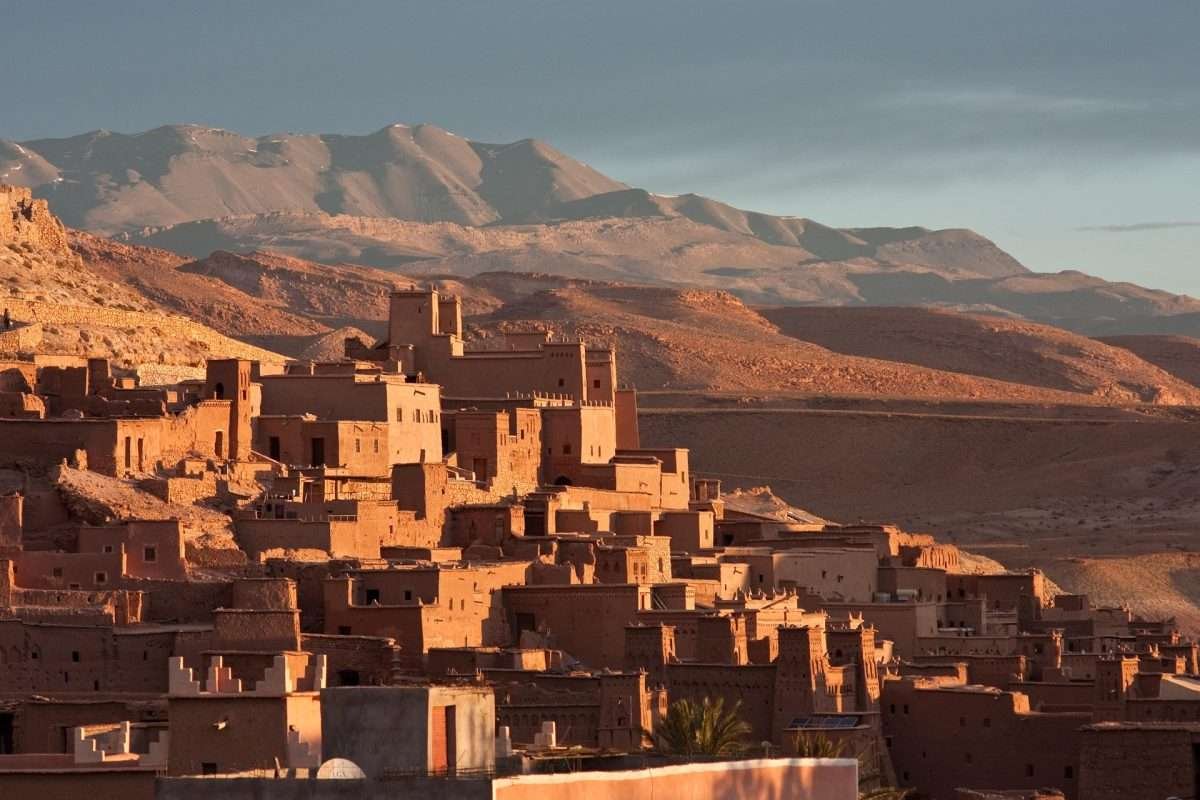
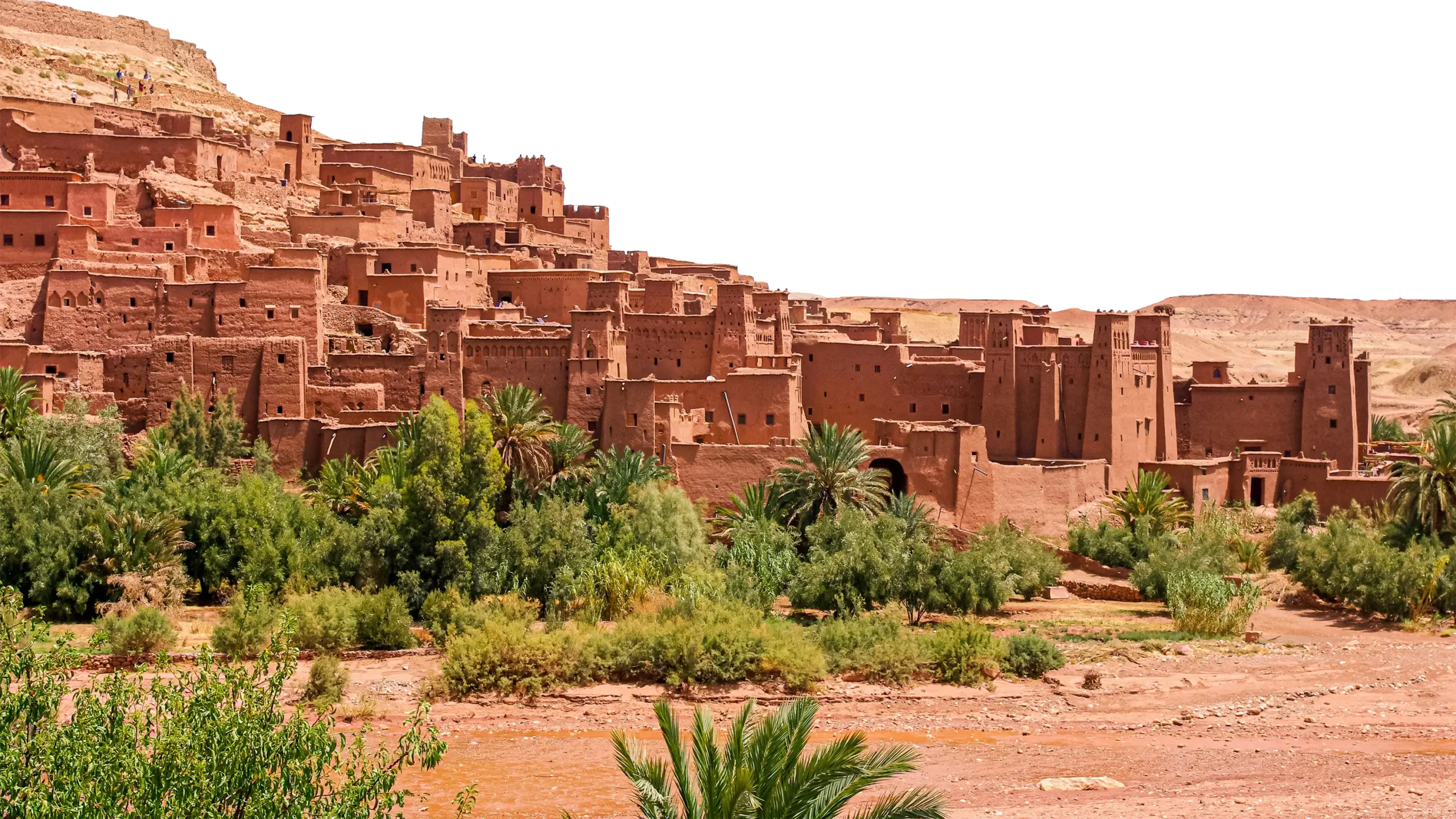
Morocco offers remarkable variety in a relatively short span: imperial cities, Atlantic coast, mountain valleys, medinas, desert landscapes, design-led stays, and deeply rooted craft and culinary traditions.
That is precisely why thoughtful planning matters.
A first-time visitor may look at a map and assume that adding “just one more stop” is harmless. Often, it is not. Morocco rewards good pacing. Distances can be longer than they appear, scenery shifts dramatically between regions, and the feel of a trip changes depending on whether you are moving every day or allowing places to unfold properly.
A well-planned Morocco journey usually has three qualities: a clear route, realistic pacing, and a few memorable anchors rather than an endless checklist.
That might mean a few days in Marrakech with an Atlas interlude. It might mean a cross-country route through Fes and the Sahara. It might mean combining the coast with a city stay for a softer, slower trip. The right answer depends less on ambition and more on travel style.
This is what people often underestimate before they arrive: Morocco is not difficult in the dramatic sense, but it does ask to be approached intelligently. The difference between a good trip and an exceptional one is rarely budget alone. More often, it is about rhythm, sequencing, and knowing what to leave out.
How many days do you need in Morocco?
There is no single perfect answer — but there is a sensible one for each kind of traveler.
If you only have a few days, Morocco can still work beautifully, but it works best when you keep your focus narrow. A short trip is usually better as one region or one city plus one complementary escape, rather than an attempt to “do Morocco” in miniature.
If you have a week, you can create a more classic first journey. This is often enough time to combine a city, some landscape, and one defining experience without the trip feeling overly compressed.
If you have 10 days, the balance becomes much more interesting. This is often where a first Morocco trip starts to feel spacious enough to be rewarding without becoming exhausting.
If you have two weeks, you have room for depth. You can let the route breathe, enjoy higher-quality transitions, and experience Morocco in a way that feels less like movement and more like immersion.
As a rule, most travelers underestimate two things: the effect of drive times and the value of fewer hotel changes. A beautiful seven-day trip often feels far more luxurious than a frantic ten-day one.
It is also worth thinking in terms of energy, not just calendar space. A couple may happily embrace a fuller route with early starts and long scenic drives, while a family, honeymoon, or design-led luxury trip may benefit far more from a gentler structure. The right number of days is not just about what is possible; it is about what will feel good.
For a deeper breakdown of route ideas by trip length, link here to your dedicated guide on how many days you need in Morocco.
Which Morocco route is right for you?
One of the best ways to plan Morocco is to start not with the map, but with the kind of experience you want.
Many travelers make the mistake of planning by landmark alone. They create a list of places they have heard of, then try to fit them all into one trip. A better approach is to start with mood, pace, and priorities. Do you want energy or stillness? Texture and history, or open landscapes and retreat-like calm? Do you want your trip to feel layered and cinematic, or soft and restorative?
Those questions usually lead to a far better route.
For a first trip: Marrakech, the Atlas, and one standout contrast
For many first-time travelers, Marrakech makes sense as an entry point. It is atmospheric, design-rich, energetic, and easy to pair with nearby contrasts, whether that is the Atlas Mountains, the Agafay stone desert, or a few slower days elsewhere.
This kind of route suits travelers who want a strong visual and cultural introduction without covering excessive ground. It works especially well for shorter stays, first visits, and travelers who want Morocco to feel vivid and memorable without becoming logistically heavy.
For culture, heritage, and old-world depth: Fes and the imperial cities
If what draws you is history, architecture, craftsmanship, and the feeling of stepping into an older world, Fes and the imperial cities may be the right emphasis. This style of route tends to appeal to travelers who are less interested in trend-led travel and more interested in texture, lineage, and cultural depth.
It is often better for travelers who enjoy immersion over variety. Rather than chasing dramatic regional contrast, this type of journey offers richness through detail: medina life, artisanship, spiritual heritage, and a more layered historical atmosphere.
For iconic contrast: Marrakech, the Sahara, and Fes
This is one of the classic Morocco arcs for a reason. It gives you strong variation: the pulse of Marrakech, the expansiveness of the desert, and the complexity of Fes. It can be a beautiful first trip — but only when paced properly.
This route is ideal for travelers who want the Morocco of the imagination: city intensity, changing landscapes, and that sense of crossing into something grander and quieter. But it is not a route to rush. When done too quickly, it can become a sequence of long drives. When done well, it becomes one of the most memorable journeys in the country.
Popular first-time Morocco itineraries often include combinations such as Marrakech and the Atlas Mountains, Marrakech and Essaouira, or Marrakech, Fes, and the Sahara Desert.
For softness and coastal ease: Essaouira and the Atlantic
Not every Morocco trip needs to be intense. Some travelers are looking for sea air, elegant slowness, and a calmer rhythm. In that case, the Atlantic coast — especially paired with Marrakech — can create a more restorative version of Morocco, one that still feels rich without being demanding.
This is often a very good fit for travelers who value atmosphere over mileage. It suits those who want room for long lunches, ocean light, design-led stays, shopping, and unhurried time rather than a more ambitious cross-country circuit.
For a more luxurious trip: fewer stops, more depth
This is often the most important planning principle of all.
Luxury in Morocco is not only about where you stay. It is about rhythm. It is about not spending the entire trip packing and unpacking. It is about arriving early enough to enjoy where you are. It is about choosing transitions that feel scenic and deliberate rather than relentless.
In many cases, a better Morocco itinerary is simply a more edited one.
A truly well-designed luxury journey often resists the temptation to overperform. It leaves space for the private terrace, the slow breakfast, the extra night somewhere beautiful, the unplanned detour, the market you wander rather than conquer, the sunset you are not racing to reach. That is where the trip starts to feel elevated.
When is the best time to visit Morocco?
The best time to visit Morocco depends partly on what kind of route you are building.
Spring and autumn are often the easiest seasons for broader itineraries, especially when you want to combine multiple regions. These months tend to lend themselves well to classic Morocco journeys that include cities, mountains, and desert landscapes.
That said, Morocco is not one single climate experience.
Summer can be lovely for the coast and appealing in certain mountain settings, while some inland and desert-heavy itineraries require more careful planning. Winter can also be beautiful: clear light, quieter atmospheres, and a different mood entirely, though mornings and evenings can be cooler, especially depending on altitude and region.
For many first-time travelers, the easiest broad answer is this:
- Spring is excellent for classic multi-stop trips
- Autumn is another strong all-round season
- Summer can work well with the right route
- Winter can be beautiful when planned with regional differences in mind
This is why season should never be considered in isolation. “When should I go?” is really shorthand for: “What kind of Morocco trip am I trying to create?”
A city-heavy itinerary and a coast-led itinerary may suit very different times of year. A romantic winter escape has a different charm from a classic spring circuit. A desert journey can be extraordinary, but it should be placed within the wider logic of the route rather than treated as a separate fantasy.
For a fuller breakdown, this is where you would link to your dedicated post on the best time to visit Morocco.
What should you prioritize in Morocco?
When planning a trip, most people start with landmarks. In Morocco, it is usually smarter to start with structure.
Rather than asking, “How much can I fit in?” ask:
- What atmosphere do I want?
- How much movement do I actually enjoy?
- Do I want energy, stillness, history, coast, desert, mountains — or a curated combination?
- Would I rather have more places, or better time in each place?
The most rewarding Morocco journeys usually prioritize five things.
1. Pace
A trip that is too full loses some of Morocco’s magic. This is a country best experienced with room for long lunches, unrushed arrivals, rooftop sunsets, slow medina wandering, and scenic transitions.
Pace is not just a logistical detail; it shapes the emotional tone of the whole journey. The same route can feel elegant and expansive when paced well, or tiring and fragmented when packed too tightly. In Morocco especially, a little breathing room goes a long way.
2. Contrast
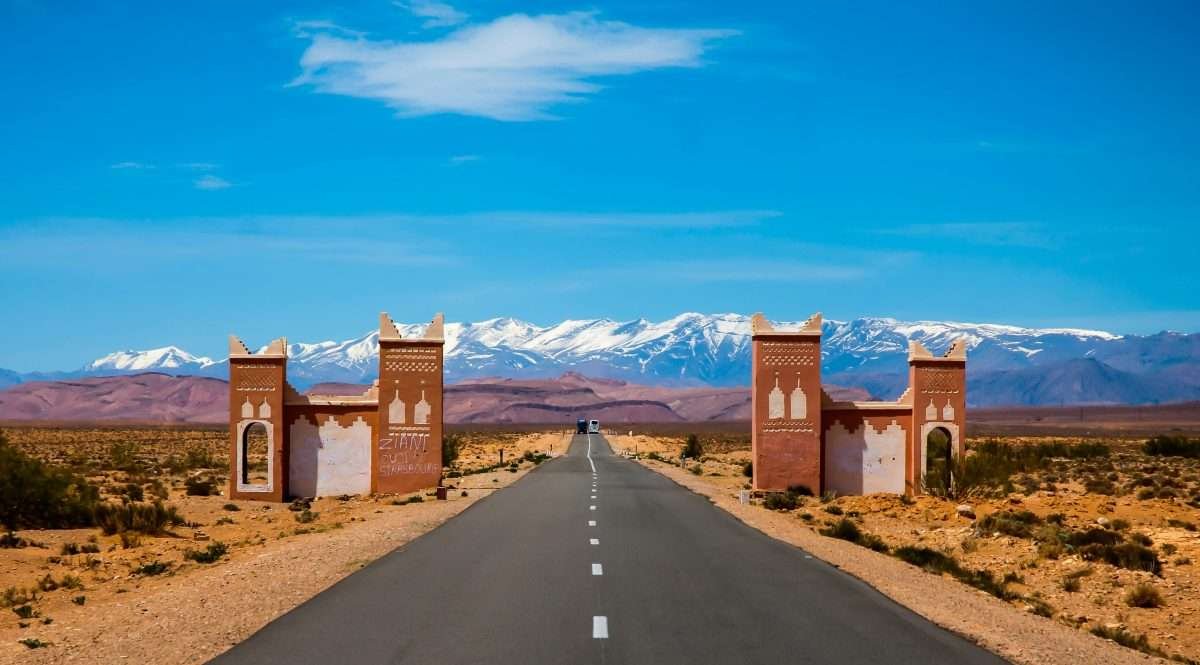
Morocco is powerful because of its contrasts: city and silence, coast and desert, old-world medina and open landscape. Even a shorter trip benefits from at least one meaningful shift in atmosphere.
That contrast is often what makes a journey memorable. A few days in a vibrant city followed by time in the mountains or by the sea can make both experiences feel sharper. The point is not maximum variety for its own sake, but thoughtful contrast that gives the trip shape.
3. Route logic
A route should make sense geographically. This sounds obvious, but it is where many itineraries unravel. A trip can look exciting on paper while becoming tiring in practice simply because the flow is wrong.
Good route logic means understanding which combinations feel natural and which ones demand too much movement. It means thinking about travel days, arrival times, energy levels, and how one destination leads into the next. A smooth route almost always feels more luxurious than a more crowded one.
4. Quality of stays and transitions
A beautiful stay matters. So does the road between places. Good travel design is not only about destinations; it is also about how one part of the trip leads into the next.
In Morocco, transitions are part of the experience. The drive through changing landscapes, the stop for lunch with a view, the arrival into a medina, the shift from city intensity to open space — these moments matter. When they are handled well, the journey feels cohesive. When they are not, even the loveliest properties can feel disconnected.
5. Travel style honesty
This is the one people skip. Not everyone wants the same Morocco. Some travelers want immersion and complexity. Others want comfort, softness, and elegant ease. A good itinerary reflects the traveler, not a generic list of must-sees.
This kind of honesty is what prevents disappointment. A trip designed for a curious cultural traveler may not suit someone dreaming of a slower, design-led escape. A couple seeking romance may want something very different from a group determined to cover ground. Morocco works best when the trip reflects who you are, not who the internet says you should be.
Common mistakes people make when planning a Morocco trip
A lot of Morocco trip planning goes wrong in predictable ways.
Trying to cover too much ground
This is the most common mistake. Morocco can look deceptively manageable on a map. In practice, trying to include everything often means the trip becomes more logistical than experiential.
People imagine they are creating a richer journey by adding more stops. Often, they are simply adding more transitions. The result is less time to settle into each place, more time in motion, and a trip that can start to feel like a sequence of departures rather than a meaningful experience.
Underestimating drive times
Drive days can be beautiful, but they still shape the energy of a trip. Planning without respecting transit time is one of the fastest ways to make an itinerary feel rushed.
A scenic transfer can absolutely be part of the pleasure of Morocco. But scenic is not the same as effortless. When long road days are stacked too closely together, travelers often arrive at the next destination too tired to enjoy it properly. The route may still work on paper, but the lived experience becomes thinner.
Treating Morocco as one uniform destination
It is not. Coast, city, desert, and mountains all deliver different moods, climates, and rhythms.
This matters both emotionally and practically. A traveler drawn to the calm, wind-softened elegance of the coast may not want the same trip as someone craving medina intensity and historical depth. Likewise, a season that works well for one region may not be ideal for another. Morocco is at its best when treated as a collection of distinct experiences rather than one single interchangeable destination.
Choosing hotels before deciding the route
People often start saving properties before they have fully thought through the logic of the journey. But a lovely hotel in the wrong sequence does not create a better trip.
This is an easy trap to fall into, especially in a destination with so many beautiful riads and design-led stays. But accommodation should support the structure of the trip, not determine it blindly. It is far better to choose the right route first, then select stays that enhance that rhythm.
Adding the desert as a rushed extra
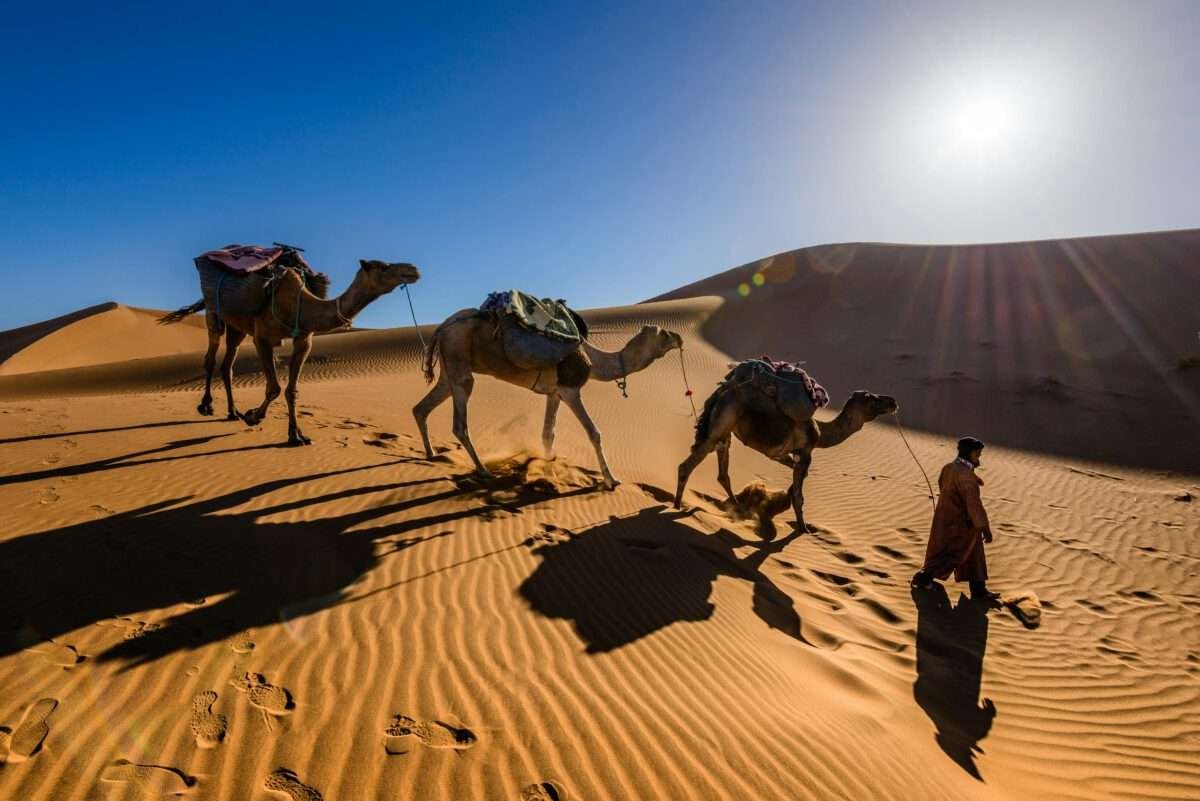
The Sahara is often one of the emotional highlights of a Morocco journey. It deserves proper pacing. When reduced to a hurried add-on, it can become more tiring than transformative.
This is one of the clearest examples of where ambition can undermine experience. The desert is not only a photo moment or a box to tick. It is a shift in scale, atmosphere, and silence. To feel it properly, it needs space around it.
Planning for aspiration instead of energy
A trip should reflect how you actually like to travel, not how you think you should travel.
People often build itineraries for their idealized selves: the version of them that loves constant movement, early starts, and back-to-back stimulation. Then they arrive and discover they wanted a much slower, softer experience all along. Good planning is honest planning. It respects your real energy, your real interests, and the kind of days you genuinely enjoy.
Leaving no room for texture
One of the subtler mistakes is planning a trip so tightly that there is no room for the moments that actually make Morocco memorable.
The long mint tea on a terrace. The spontaneous stop in a small village. The extra hour in a beautiful riad courtyard. The artisan workshop you linger in longer than expected. The scenic pause that was never on the spreadsheet. When a trip is over-planned, these are often the first things to disappear — and they are often the very things people remember most.
Should you plan Morocco independently or as a private journey?
Both can work. The right choice depends on the route, the traveler, and the kind of experience you want.
Independent travel may suit travelers doing a shorter city-based stay, or those who are very comfortable with flexible logistics and a more hands-on planning style.
A private journey can make a significant difference when the trip is multi-stop, when time is limited, or when the traveler wants the experience to feel smoother and more considered. That is particularly true in a destination where route flow, trusted transport, and local coordination can materially shape how comfortable the trip feels.
Done well, a privately designed journey is not about over-structuring the experience. It is about removing unnecessary friction so that the trip feels more seamless.
It also allows the route to be tailored more intelligently. Some travelers want richer cultural immersion. Some want softness and ease. Some want a strong first introduction that feels iconic without feeling rushed. A private journey gives more control over that balance, and often creates a calmer experience from beginning to end.
Is Morocco safe to visit?
For most travelers, the real question is not simply “Is Morocco safe?” but “Will I feel comfortable, confident, and well-supported?”
The honest answer is that Morocco, like any popular destination, rewards awareness and good planning. For many travelers, comfort comes down to the basics: airport pickups that are handled properly, trusted transport, realistic pacing, well-chosen stays, and not being left to improvise every moving part of a multi-stop journey.
Morocco is often best approached with confidence and preparation rather than anxiety.
For many travelers, perceived safety is also tied to how held the trip feels. Knowing how you are getting from A to B, where you are staying, who is meeting you, and how the route flows removes a surprising amount of stress. That is especially true on a first visit, or for travelers who want the trip to feel elegant rather than improvised.
You can link from here to your dedicated guide on whether Morocco is safe for travelers.
A good Morocco trip is not about seeing everything
The most memorable Morocco journeys are rarely the ones that squeeze in the maximum number of stops.
They are the ones with rhythm.
They are the ones that know what they are trying to be.
They are the ones that leave space for atmosphere, beauty, and the unexpected.
Morocco offers extraordinary range: medinas, mountains, coast, desert, craftsmanship, hospitality, and a strong sense of place that changes from region to region. That variety is part of what makes the country so compelling — and part of why it deserves to be planned with care.
A well-shaped trip to Morocco should feel intentional from beginning to end. Not crowded. Not generic. Not assembled from a checklist. It should feel like a journey with its own internal logic and its own atmosphere.
If you are planning a Morocco journey, start with the route, the pace, and the feeling you want the trip to have. Everything else becomes much easier once those are clear.
Considering a Morocco journey?
Explore our itineraries, discover our destination pages, or get in touch to shape a route that feels thoughtful, elegant, and genuinely well-paced.
FAQs
Yes — for many travelers, Morocco is one of the most accessible and rewarding introductions to North Africa. It offers a strong mix of culture, design, landscape, hospitality, and infrastructure, but it is best enjoyed with thoughtful planning. For a first trip, the key is not trying to do too much too quickly. Travelers often have the best experience when they choose a clear route and let the trip breathe. General travel guidance and current travel-advice pages continue to frame Morocco as a popular, established destination, while also emphasizing practical planning and situational awareness rather than alarm.
For most first-time travelers, 7 to 10 days is a very good range. It gives enough time to experience real contrast — for example, a city, a landscape shift, and one standout anchor such as the coast, mountains, or desert — without the trip feeling overly compressed. Shorter trips can work well when focused on one area, while 10 to 14 days allows for a more spacious and comfortable pace. Current Morocco trip-planning content consistently clusters around this same window for a balanced first visit.
Yes, 7 days can absolutely be enough for Morocco, provided the route is edited properly. It is enough for a strong first journey, but not enough to see everything. A good 7-day trip usually focuses on one clear arc rather than trying to combine too many distant regions. In practice, 7 days works best when the itinerary is designed around rhythm and contrast, not mileage. Travel-planning guides commonly position 7 days as a workable first-trip length, especially for highlight routes.
There is no single best month for every kind of Morocco trip, but spring and autumn are widely considered the easiest all-round seasons for classic itineraries. In particular, March to May and September to November are often favored for combining cities, mountains, and desert regions with more comfortable conditions. More recent travel guidance also continues to describe autumn and early spring as especially strong choices.
For many travelers, both seasons are excellent, but they offer slightly different feels. Spring often feels fresh, green, and especially appealing for broader scenic itineraries. Autumn is another strong all-round season and can work beautifully for classic route combinations. In practice, the better choice often depends on which regions you want to prioritize and the exact atmosphere you want from the trip. Recent travel guides consistently rank both spring and autumn among the best times to visit.
For most visitors, Morocco is a well-established tourist destination, but like any popular destination, it rewards awareness, good route planning, and sensible precautions. Current official and recent travel-advice sources point most strongly to issues such as petty crime, scams in tourist areas, and the importance of staying aware in busy or isolated places, rather than suggesting ordinary leisure travel should be avoided altogether. In real terms, many travelers feel most comfortable when transport, arrivals, and route flow are planned properly.
For many first-time visitors, the best itinerary is not the one with the most stops, but the one with the best balance. A strong first route usually combines one atmospheric city base with one meaningful contrast, such as the coast, the Atlas, or the desert, depending on trip length. The most successful first journeys tend to avoid overloading the schedule and instead focus on flow, pacing, and a few memorable anchors. That logic aligns closely with how current Morocco itinerary content is structured for first-time travelers.
Yes — but only if you have enough time to do it well. Marrakech and the Sahara can make a beautiful pairing, especially for travelers who want a strong sense of contrast between city energy and open landscape. The mistake is not choosing both; the mistake is trying to force them into a route that is too short or too rushed. Desert-focused itinerary content continues to position this as one of the classic Morocco combinations, especially when travelers allow enough days for the route to breathe.